Choosing the right dietary supplement manufacturer is one of the most consequential decisions a B2B brand owner will make. It determines product quality, regulatory standing, delivery reliability, and — ultimately — whether a brand can scale with confidence in the U.S. market. As more health-conscious consumers demand safe, compliant, and well-formulated products, the pool of contract manufacturers, OEM factories, and private label suppliers has grown crowded, making it harder for brand owners to separate genuine production partners from processing shops that simply fill capsules.
Many emerging brands learn this the hard way after working with overseas factories: inconsistent batches, missed deadlines, and formulations that don’t clear U.S. compliance checks. Partnering with a U.S.-based supplement manufacturer removes most of that risk outright. This guide walks through what a professional contract manufacturer actually does for B2B clients, the criteria that separate a dependable production partner from a risky one, and why so many brand owners are bringing manufacturing back onshore.
Why a U.S.-Based Supplement Manufacturer Gives B2B Brands an Edge
The United States has one of the most mature regulatory frameworks in the world for nutraceuticals, which is exactly why domestic production partners are so highly regarded by global B2B buyers. A qualified U.S. supplement manufacturer operates under cGMP (current Good Manufacturing Practice) regulations and maintains current FDA facility registration — the baseline regulatory framework that validates the production process, from raw material handling to finished-goods release.
For brand owners, that translates into a very practical benefit: products that are built to clear FDA labeling rules and ingredient safety standards from day one, rather than being reformulated or relabeled after a shipment gets flagged at the border. This is one of the most common pain points brands run into when working with non-U.S. factories — and one of the easiest to avoid by choosing a domestic partner from the outset.
Beyond compliance, established U.S. contract manufacturers build their entire business model around B2B relationships rather than direct-to-consumer sales. That means the service scope — tailored bulk production, private label programs, white label catalogs, custom formulation — is designed specifically around what brand owners, startups, and distributors actually need to launch and scale.
Core Services to Look For in a Supplement Manufacturing Partner
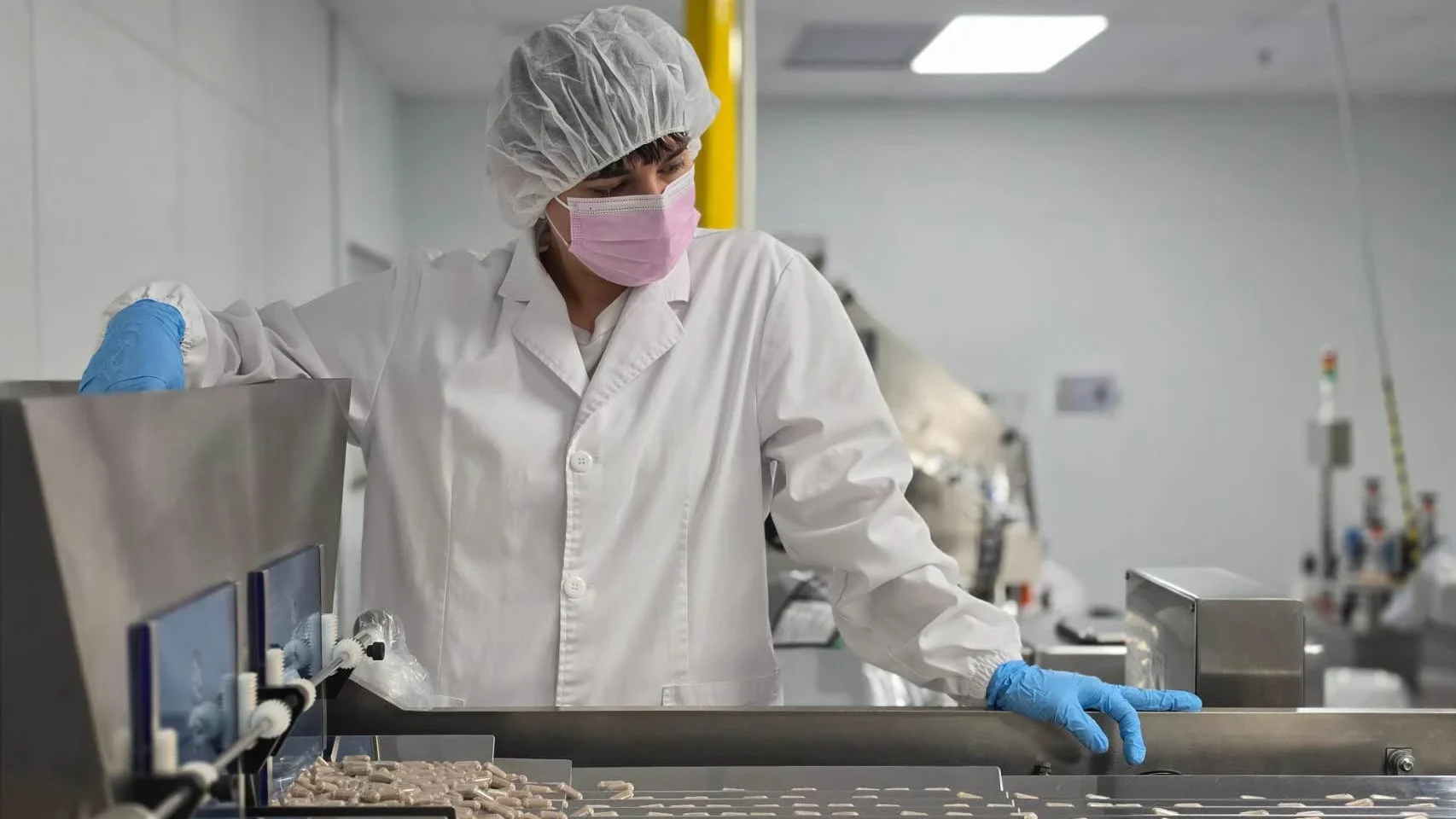
A genuine contract manufacturer offers far more than “we’ll make what you send us.” Top-tier partners run the full chain — formulation, testing, production, and compliance documentation — under one roof.
1. Custom Formulation, Private Label & White Label Options
Formulation development is the core value a strong production partner brings to the table. Brand owners describe a target audience, positioning, and desired benefit, and the manufacturer’s R&D team translates that into a formula that’s both market-competitive and regulatorily sound — whether the product is a vitamin, mineral blend, herbal supplement, probiotic, or sports nutrition formula.
For brands that don’t want to invest in formulation from scratch, private label and white label programs offer a faster path to market. Instead of building a proprietary formula, a brand owner can select an existing, proven formulation from the manufacturer’s catalog and apply its own branding, packaging, and labeling. This dramatically shortens the launch timeline and lowers the capital required to enter the category — making it the most common entry point for small and mid-sized brands.
2. Flexible Bulk Production for Startups and Established Brands
A dependable production partner should be able to support both ends of the order spectrum: small-batch runs for brands still validating product-market fit, and large-scale bulk manufacturing for brands with proven demand and established sales channels. Low-minimum trial runs let a new brand test a formula in-market without overcommitting capital, while volume production brings down per-unit costs as the brand scales.
It’s worth noting that specialization matters as much as range here. A manufacturer that concentrates its equipment, staff expertise, and quality systems around a focused set of capabilities — full-scale encapsulation, mixing, and powder manufacturing, for example, along with tablet packaging, labeling, and warehousing — can typically offer tighter quality control, faster turnaround, and more consistent batch-to-batch results than a factory spreading itself thin across every possible format and process (softgels, liquids, gummies, and every stage of tablet production) on the same lines. For brand owners, that focus often matters more than a manufacturer that claims to “do everything.”
3. Quality Control, Testing & Compliance Documentation
Rigorous quality control is what actually separates a professional manufacturer from a basic filling operation. That means raw materials screened for heavy metals, pesticides, and purity before they ever enter production; in-process controls that prevent cross-contamination; and finished products verified through third-party lab testing with a Certificate of Analysis (COA) issued for every batch.
Just as important is documentation. A reliable partner should be able to hand over ingredient specifications, facility qualifications, and regulatory filing support that a brand owner can use for retail onboarding, marketplace listing approval, or distributor due diligence — without a scramble to track down paperwork after the fact.
Three Criteria for Vetting a Dietary Supplement Manufacturer
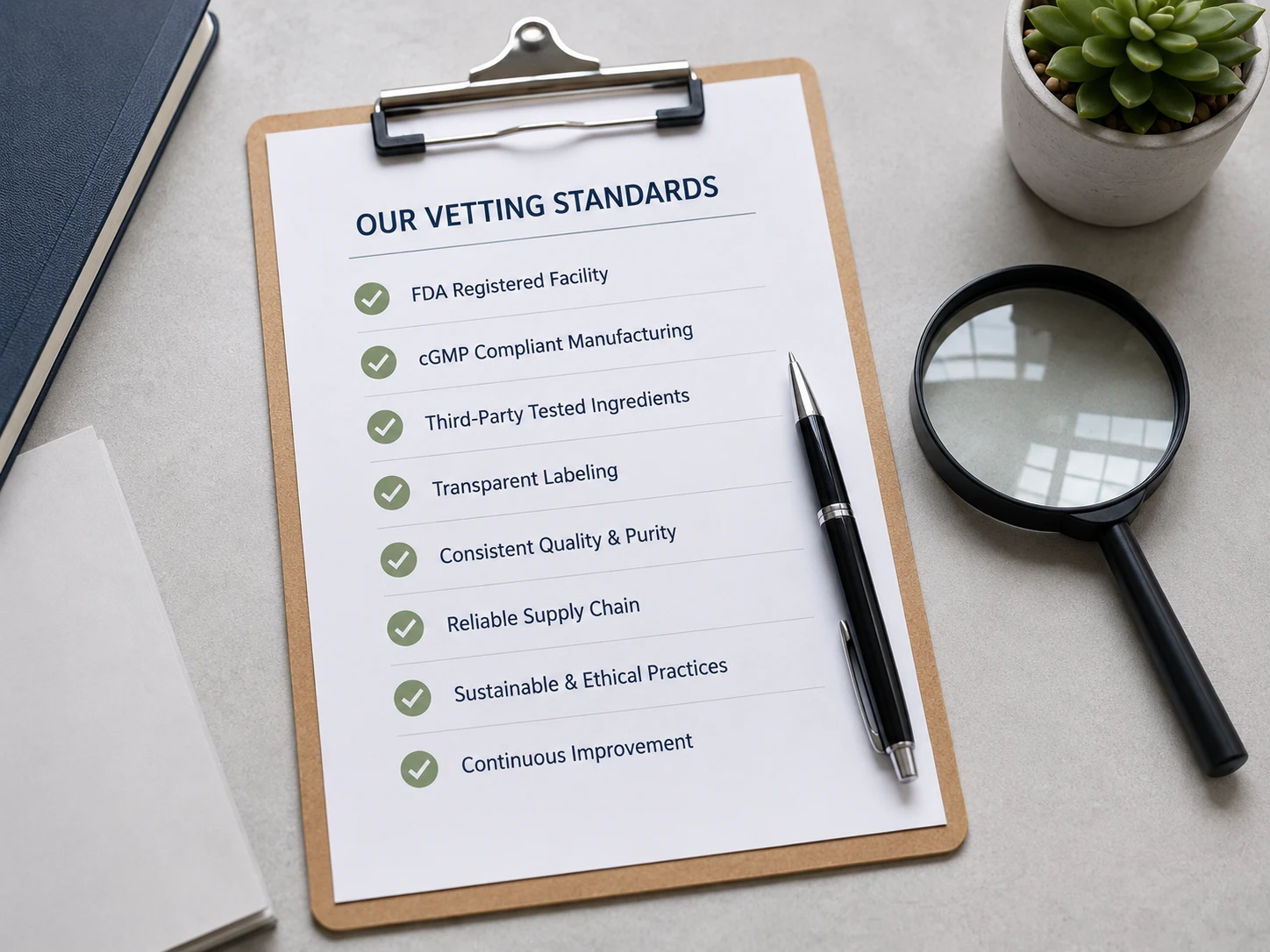
With dozens of factories competing for B2B business, brand owners need a short, reliable checklist to separate serious manufacturing partners from the rest.
1. Certifications and Regulatory Standing
At minimum, a legitimate partner should hold cGMP certification, current FDA facility registration, and — depending on the state — a local food manufacturing license (California requires its own state-level license on top of federal registration, for example). Manufacturers with a long operating history in a given state tend to have a deeper, more current understanding of evolving FDA guidance and state-level requirements than newer or smaller operations.
2. In-House R&D and Formulation Expertise
The strongest partners function as formulation collaborators, not just processors. Look for an in-house R&D team that actively tracks category trends — immune support, weight management, sleep, healthy aging, sports nutrition — and can adjust dosing, ingredient sourcing, or stability profiles based on a brand’s specific positioning, rather than offering a single rigid template.
3. Dedicated B2B Account Support and Delivery Reliability
Manufacturing quality means little if communication and delivery timelines are unpredictable. A dependable partner assigns real account management to B2B clients, provides visibility into production status, and has a track record of hitting delivery windows consistently — which matters enormously for brands managing downstream retail or distribution commitments.
Why More Brands Are Bringing Production Onshore
The shift toward domestic manufacturing isn’t just about compliance — it’s about speed and fit. A U.S. contract manufacturer can turn around formula adjustments, packaging changes, or compliance questions in days rather than weeks, simply because time zones and language aren’t a barrier. Domestic partners also tend to understand North American consumer preferences and regulatory expectations more intuitively, which shows up in more market-ready dosing, flavoring, and packaging decisions.
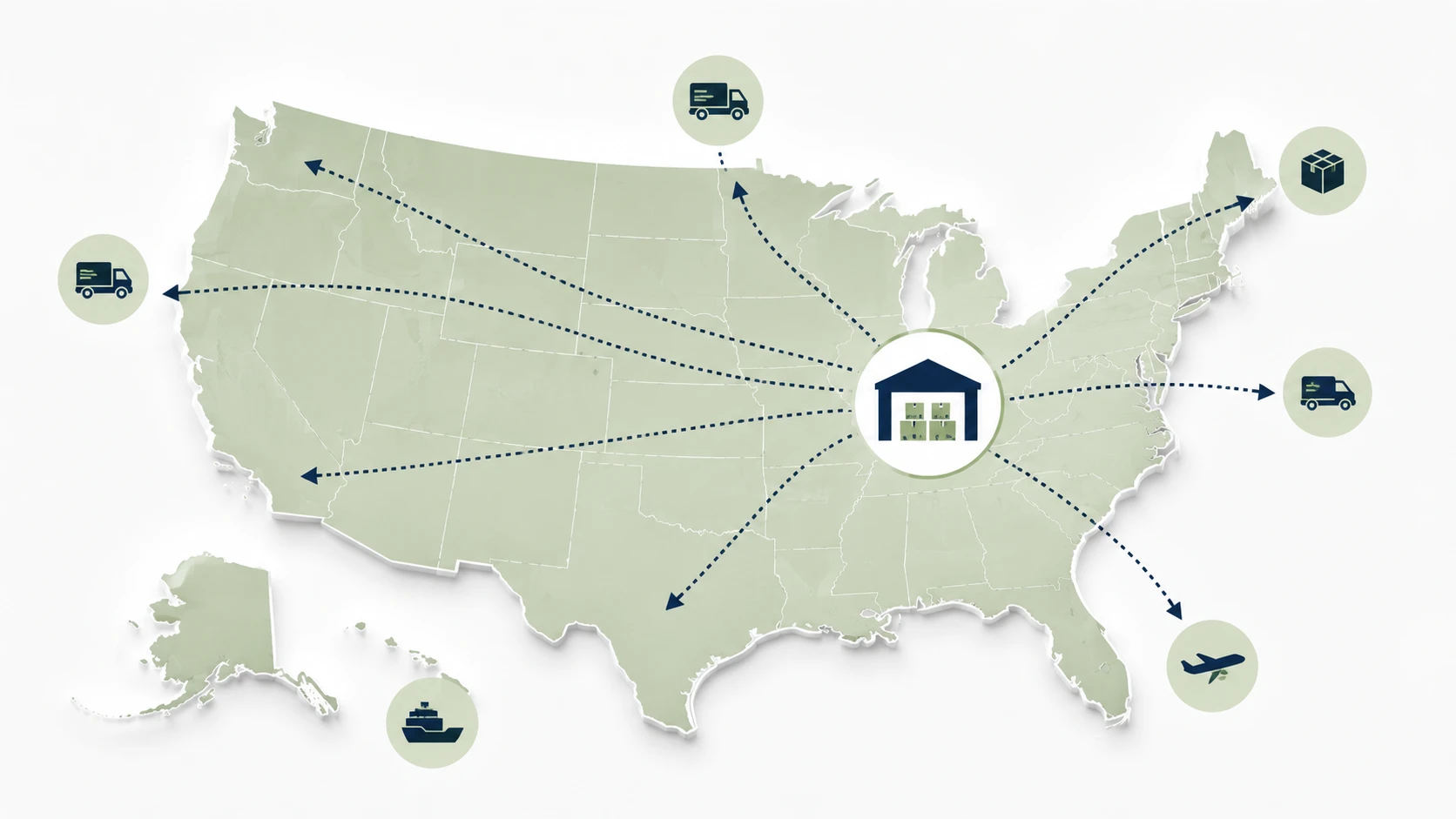
There’s also a straightforward logistics case: goods produced domestically ship directly into U.S. or Canadian warehouses without customs delays, international freight costs, or the damage and inventory-timing risk that comes with long-haul shipping. For brand owners managing tight retail or e-commerce replenishment cycles, that reliability alone is often worth the switch.
Common Questions from B2B Brand Owners
What’s the difference between private label and custom formulation? Private label means selecting an existing, proven formula from the manufacturer’s catalog and applying your own branding — the fastest and lowest-cost way to launch. Custom formulation means building a proprietary formula from scratch around your specific positioning, ingredient preferences, or claims. Most brands start with private label to validate demand, then move into custom formulation once a product line is established.
How long does it take to launch with a contract manufacturer? For a private label product using an existing formula, timelines from initial order to delivery are typically a matter of weeks, largely dependent on packaging and label approval. Custom formulations take longer — often two to three months — to allow for formula development, stability testing, and compliance review before the first production run.
What should be in a manufacturer’s compliance package? At minimum, expect a Certificate of Analysis (COA) for each batch, a facility’s cGMP certification and current FDA registration, and — where applicable — state-level licensing documentation. Brand owners entering retail or major marketplaces should confirm this paperwork is available before signing a production agreement, not after the first shipment arrives.
Conclusion
Choosing the right supplement manufacturer shapes nearly every downstream outcome for a B2B brand — product quality, time to market, compliance risk, and the ability to scale without surprises. The strongest partners combine full regulatory qualifications, genuine formulation expertise, and dependable B2B service into a single, accountable relationship, rather than leaving brand owners to coordinate compliance, testing, and production across multiple vendors.

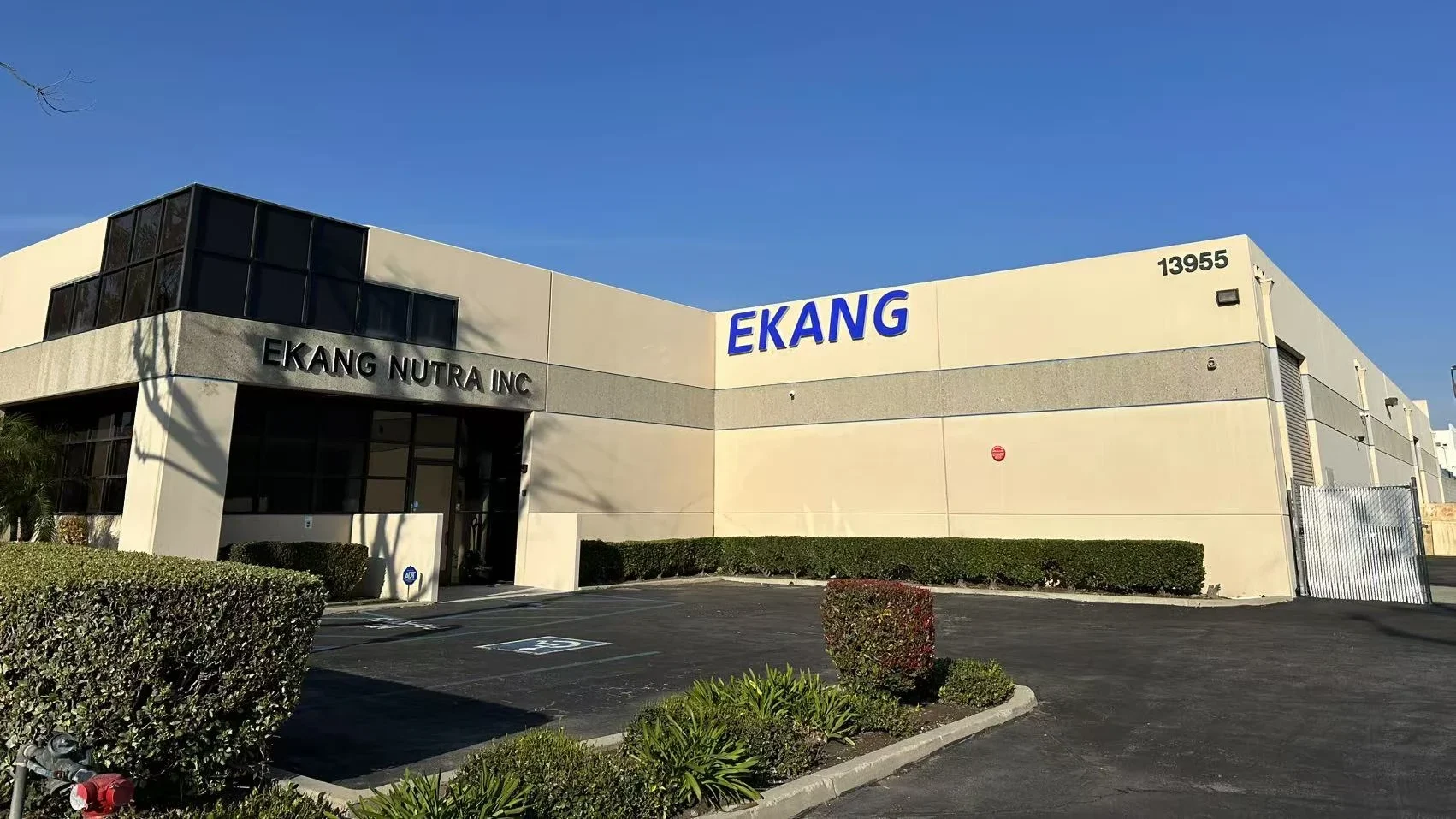
As a California-licensed, cGMP-certified, FDA-registered supplement manufacturer, we specialize in full-scale capsule and powder manufacturing — encapsulation, mixing, and packaging/labeling — along with tablet packaging, labeling, and warehousing services for B2B brand owners, offering private label, white label, and custom formulation programs built around consistent quality and reliable delivery.
If you’re evaluating dietary supplement manufacturers for a long-term B2B partnership, contact our team for a free formulation consultation and facility overview.