Turmeric and its active compound, curcumin, remain one of the longest-running success stories in the herbal supplement category — not a spike-and-fade trend, but a steady multi-year climb. Market research puts the global turmeric supplement market at roughly 1.6billionin2025,growingatan8.5678 million in 2025 to nearly $1.7 billion by 2036 — a 9.6% CAGR, with powder remaining the dominant form at roughly 68% share.
Why Turmeric Has Real Staying Power
Turmeric’s core positioning — anti-inflammatory and antioxidant support, tied to joint health and general wellness — has broad, durable appeal across almost every age group, not just a narrow demographic. It’s also one of the few herbal ingredients with a genuinely large body of clinical research behind it, which gives brands more substantiated claims to work with than many botanicals.
The One Technical Detail That Actually Matters: Bioavailability
Curcumin on its own is poorly absorbed by the body — this is the single most important formulation consideration for any turmeric product. Most credible turmeric supplements pair curcumin with a bioavailability enhancer (black pepper extract standardized to piperine is the most common) or use a specialized curcumin form designed for better absorption. A turmeric capsule formulated without addressing bioavailability is a weaker product regardless of how much curcumin the label claims — this is worth understanding before choosing a formula, not after.
Format and Sourcing Considerations
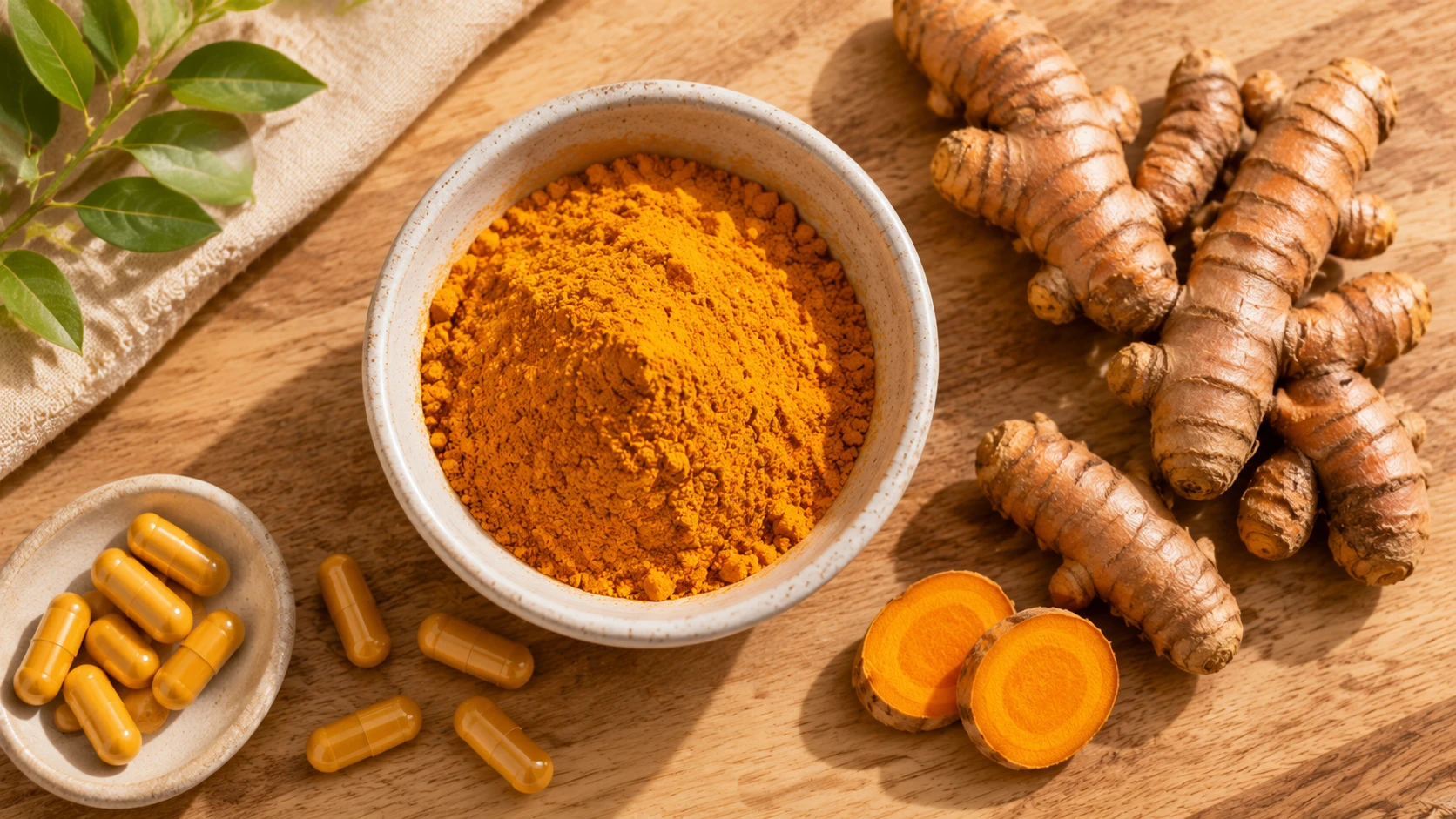
Powder remains the dominant form industry-wide, often used in bulk or in combination blends, while capsules are the more common consumer-facing format for standalone turmeric/curcumin products — both fit well within a capsule-and-powder manufacturing capability.
Standardization matters as much as it does for ashwagandha. A credible turmeric supplement is formulated to a specific curcuminoid percentage, not sold as generic turmeric root powder. Ask what percentage your manufacturer formulates to, and whether raw material identity and potency testing happens on every incoming lot — turmeric, like other botanicals, is subject to adulteration risk in poorly controlled supply chains.
Private Label vs. Custom Turmeric Formulation
A standalone turmeric/curcumin capsule with a bioavailability enhancer is a strong private label candidate — the format and formulation approach are well established, and most of a brand’s differentiation comes from dose strength, sourcing story, and price positioning.
Custom formulation opens up more interesting combination products: turmeric paired with ginger for a broader anti-inflammatory blend, or with glucosamine and other joint-support ingredients for a more targeted mobility formula.
Formulating Turmeric With a Verified Partner
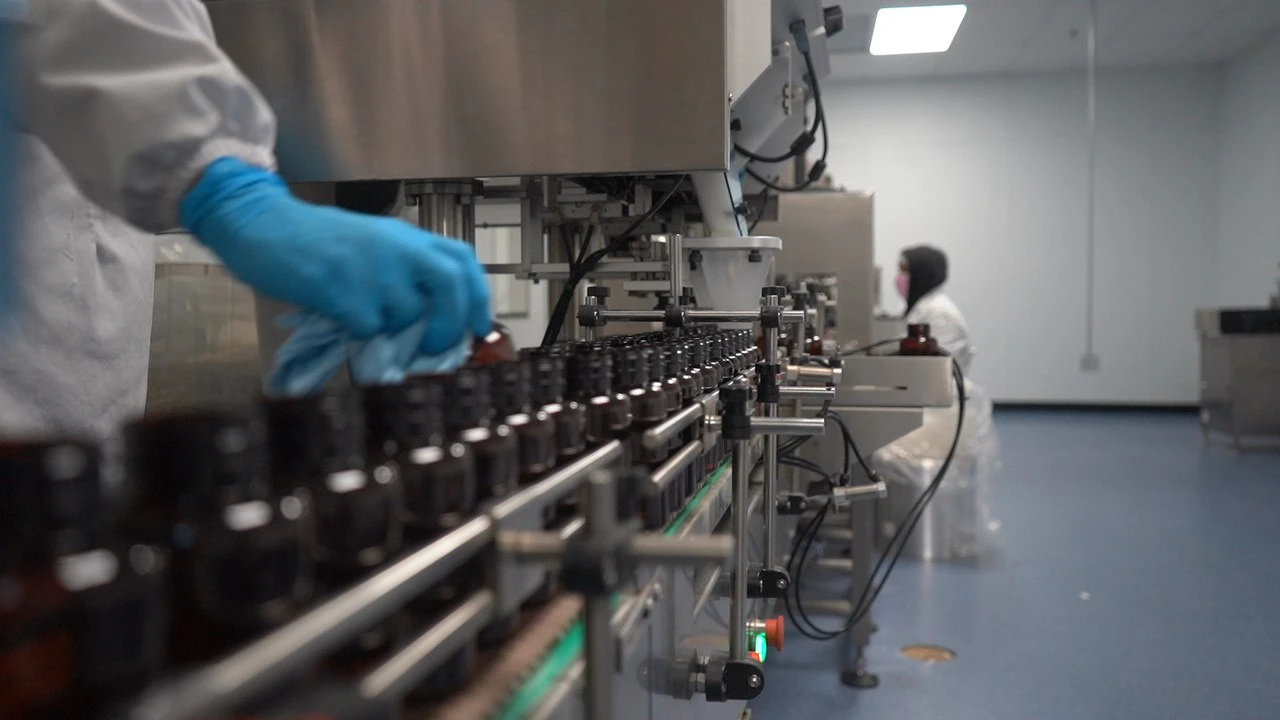
Ekang Nutra is a California-based, FDA-registered, cGMP-certified (independently certified by Eurofins Healthcare Assurance, accredited by ANAB under ISO/IEC 17065) dietary supplement manufacturer, with herbal and botanical products registered as one of our core FDA facility categories. We manufacture turmeric and curcumin products in hard capsules and powders, with full raw material identity testing on every incoming lot.
Ready to formulate your turmeric or curcumin product? Contact our team for a free consultation.
Part of our Herbal Supplement Manufacturers series.