For more than a decade, vitamin D held the undisputed top spot in America’s supplement cabinets. In 2026, it’s still there — but the mineral quietly climbing up next to it is magnesium, and the data suggests this isn’t a passing moment.
Magnesium’s Quiet Takeover
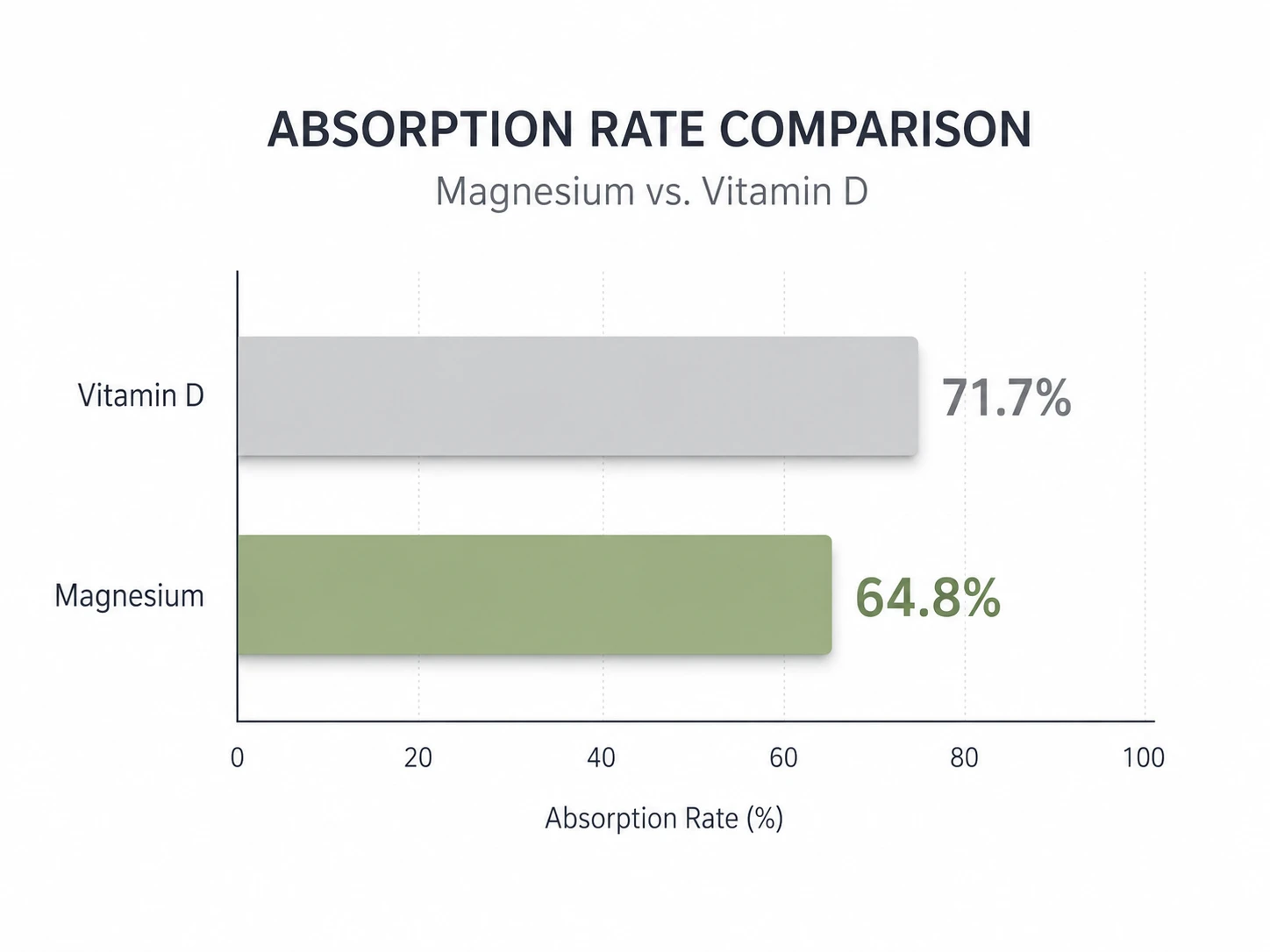
According to ConsumerLab’s 2026 survey of more than 8,850 regular supplement users, magnesium is now the second most-used supplement in the U.S., taken by 64.8% of respondents, trailing only vitamin D. More striking is its momentum: magnesium posted one of the largest year-over-year popularity gains of any supplement in 2025, rising 5.3 percentage points — a pace matched by very few other ingredients.
Industry data backs this up from a different angle. Glanbia Nutrition’s 2026 trends report found that 56% of U.S. consumers now believe magnesium has a direct, positive impact on their health, and forecasts a 7.1% CAGR for magnesium supplement sales between 2024 and 2028. Search data tells a similarly strong story — “magnesium glycinate” alone draws over 800,000 monthly searches in the U.S., with the term growing more than 20% year-over-year.
Why Are Americans Suddenly “Deficient”?
The renewed interest in magnesium isn’t happening in a vacuum. A few converging forces are driving it:
- Soil and diet changes. Decades of intensive farming have reduced the magnesium content of common crops, while processed-food-heavy diets provide less of the mineral than a generation ago.
- Chronic stress and poor sleep. Magnesium plays a direct role in regulating the nervous system, and consumers increasingly connect their sleep and stress struggles to nutrient gaps.
- Muscle recovery and healthy aging. As strength training and longevity culture go mainstream, magnesium’s role in muscle function and metabolic health is getting renewed attention — often alongside creatine and electrolytes.
Glanbia’s research also notes a broader shift: consumers are “returning to the basics,” with roughly one in three viewing supplementation as part of a holistic lifestyle change rather than a quick fix. Magnesium fits that mindset perfectly — it’s a foundational nutrient with a growing, evolving story.
Not All Magnesium Is Created Equal: Where the Opportunity Lives
The real differentiation in 2026 isn’t “magnesium” as a single ingredient — it’s which form, and for which outcome:
| Form | Primary Use Case | Consumer Search Trend |
| Magnesium Glycinate | Sleep, relaxation, anxiety support | ~823K monthly searches, +22% YoY |
| Magnesium L-Threonate (Magtein) | Cognitive function, memory, brain health | ~74K monthly searches, +22% YoY |
| Magnesium Malate | Energy metabolism, physical fatigue | Steady niche growth |
| Magnesium Citrate | Digestive support | Established, stable demand |
Format innovation is layering on top of this. Gummies and powders are growing faster than traditional tablets, as brands chase convenience and better sensory experience — a trend confirmed across multiple 2026 industry reports.
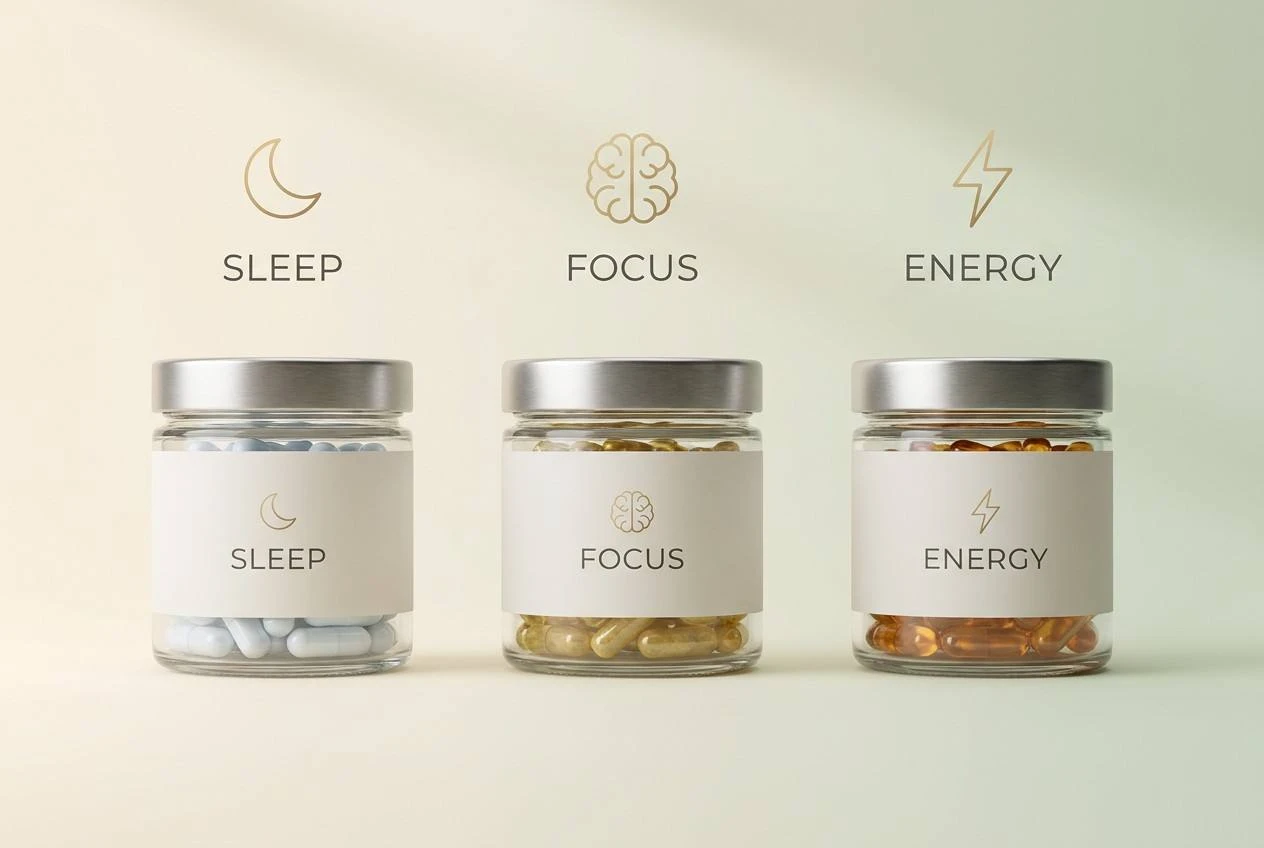
The OEM Opportunity: How Brands Can Enter the Magnesium Market
For brand owners and private-label buyers, magnesium is one of the lowest-risk, highest-momentum categories to launch into right now — but success depends on execution, not just riding the trend:
- Precise, form-specific dosing. Consumers are becoming label-literate. A product simply labeled “magnesium” without specifying glycinate, threonate, or malate will struggle to compete.
- Format innovation. Gummies, effervescent powders, and drink mixes are outperforming legacy tablet formats, especially with younger buyers.
- Clean-label positioning. Minimal excipients, transparent sourcing, and third-party testing are quickly becoming baseline expectations rather than differentiators.
- Functional stacking. Pairing magnesium with L-theanine, GABA, or ashwagandha for a “calm and sleep” stack, or with B-vitamins for an “energy and metabolism” stack, lets brands target specific consumer occasions rather than competing on commodity positioning.