Herbal and botanical products are one of the steadier growth stories in the U.S. supplement industry — less flashy than a single breakout ingredient like creatine or magnesium, but consistently expanding year over year as consumers look for plant-based alternatives across immune support, stress management, digestion, and healthy aging. Industry tracking for 2025–2026 puts herbs and botanicals growth at roughly 5.4%, a steady, above-multivitamin pace that’s held up across multiple reporting periods rather than spiking on a single trend cycle.
For brand owners, that steadiness is exactly the appeal — and exactly why choosing the right manufacturing partner matters more here than in almost any other category.
Why Herbal Supplements Are a Different Manufacturing Challenge
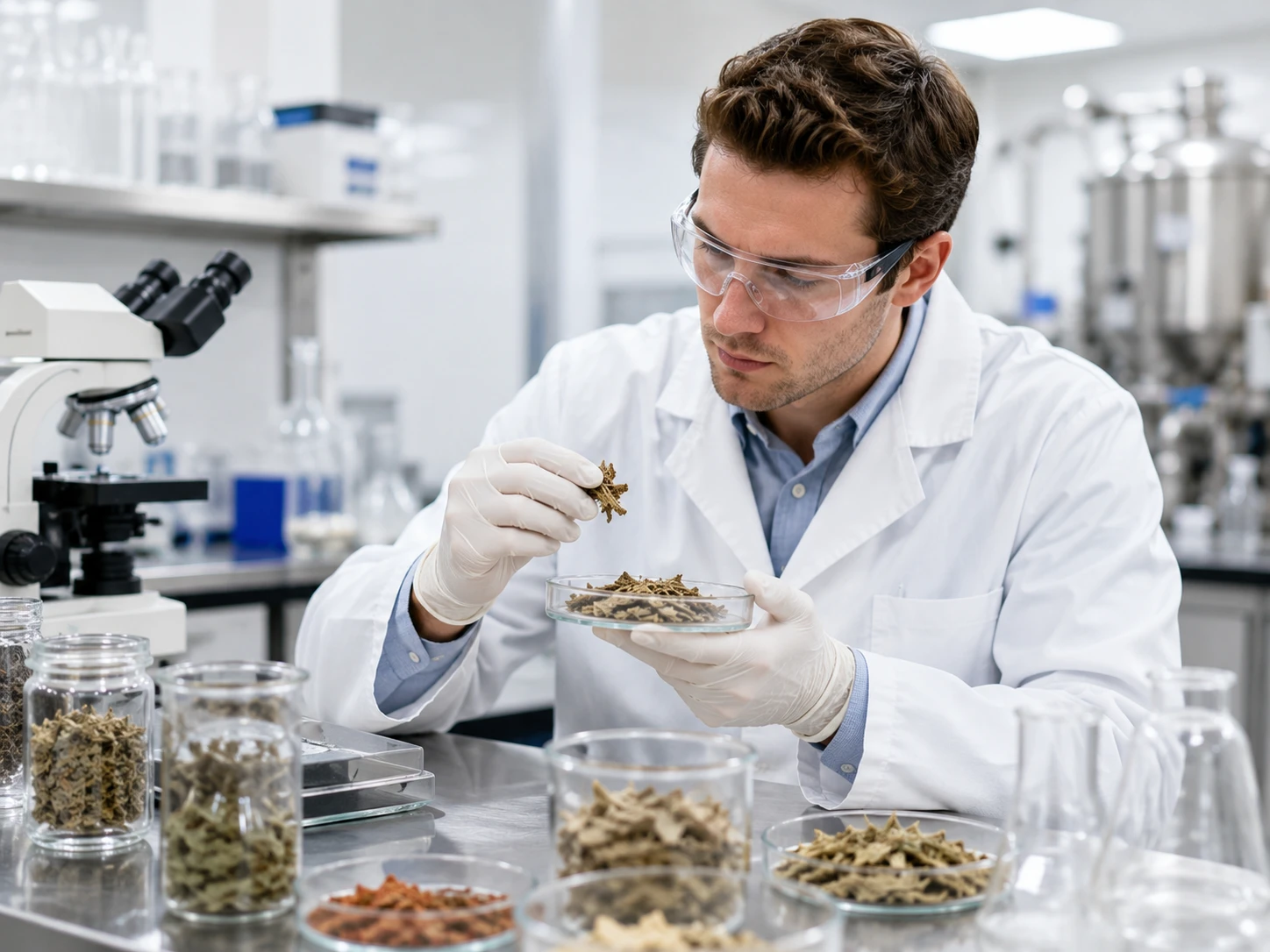
Herbal ingredients behave nothing like a synthetic vitamin or a single, well-characterized mineral. A batch of ashwagandha root extract can vary in potency depending on growing region, harvest timing, and extraction method. Botanicals are also one of the categories most exposed to adulteration and misidentification — a raw material labeled as one plant species can, in poorly controlled supply chains, turn out to be a cheaper substitute, a different plant part, or diluted with fillers.
This is exactly why raw material identity testing is treated as non-negotiable in a properly run facility. Under FDA’s 21 CFR Part 111 cGMP regulations, incoming botanical raw materials require identity verification before they can be released into production — not just a supplier’s Certificate of Analysis taken at face value, but the manufacturer’s own testing to confirm the material actually is what it claims to be.
Popular Herbal Ingredients Brands Are Formulating Around Right Now
A few botanical categories are seeing consistent demand from brand owners building out private label lines:
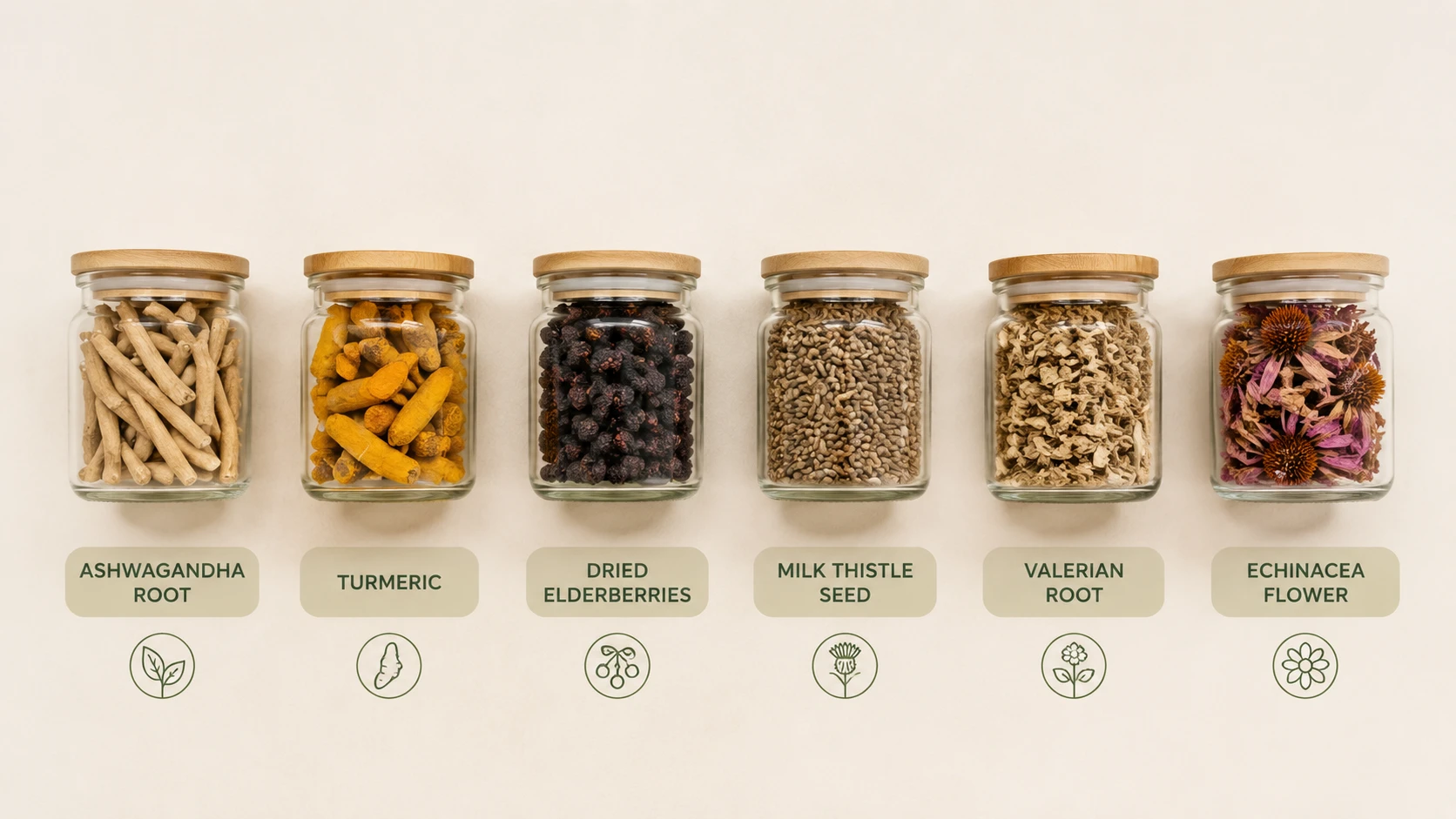
- Ashwagandha — stress support and hormone balance, one of the most requested single-herb formulas across the industry
- Turmeric / Curcumin — joint support and general inflammation response, a long-standing category staple
- Elderberry — immune support, with strong seasonal demand patterns (typically peaking in fall and winter)
- Milk Thistle — liver support, popular in “detox” and wellness-adjacent positioning
- Valerian Root — sleep and relaxation, often formulated alongside magnesium or L-theanine
- Echinacea — immune support, frequently combined with elderberry and zinc in cold-season formulas
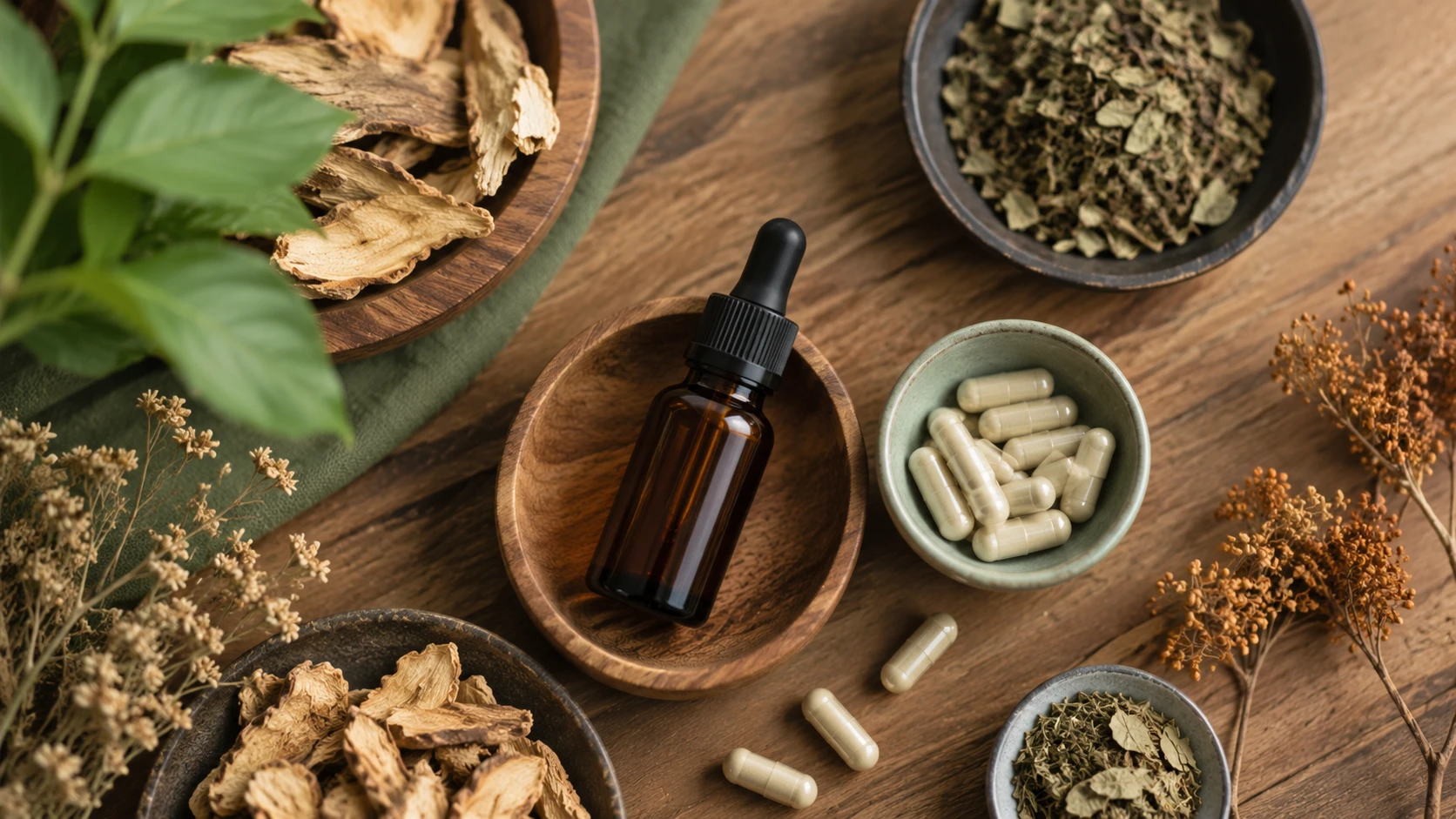
Each of these tends to work well in standardized-extract capsule or powder form, which is also where formulation and dosing control are most reliable — a meaningful consideration given how much natural potency variability exists across raw botanical lots.
What to Look For in a Herbal Supplement Manufacturing Partner
Because botanical raw materials carry more inherent variability than synthetic ingredients, the vetting bar should be higher, not lower. A few specific things worth confirming before signing with any manufacturer:
- Identity testing on every incoming lot — not occasional spot-checks, every lot, every time
- Standardized extract sourcing — ask what percentage of active compound (e.g., withanolides in ashwagandha, curcuminoids in turmeric) the manufacturer formulates to, and whether that’s consistent batch to batch
- Heavy metal and contaminant testing — botanicals grown in contaminated soil can carry heavy metals; this should be standard, not an add-on
- Real batch documentation — under cGMP, an undocumented production step is treated as one that never happened; ask to see a sample batch record, not just a certificate
The OEM Opportunity for Herbal and Botanical Brands
For brand owners building a botanical line, private label and custom formulation each offer a different path in:
Private label herbal supplements let a brand launch quickly using an already-validated formula — a practical starting point for single-herb products like ashwagandha or turmeric where the format is well established and differentiation comes mostly through branding and positioning rather than a proprietary blend.
Custom, OEM herbal formulation makes more sense for combination products — a sleep stack pairing valerian root with magnesium, or an immune blend combining elderberry, echinacea, and zinc — where the specific ratio and ingredient sourcing become the actual point of differentiation.
Both paths depend on the same underlying capability: a manufacturer that can actually verify and document what’s in the botanical raw material before it goes into a capsule or powder blend — not just a name on a label.
Closing: Formulating With Verified Botanical Ingredients
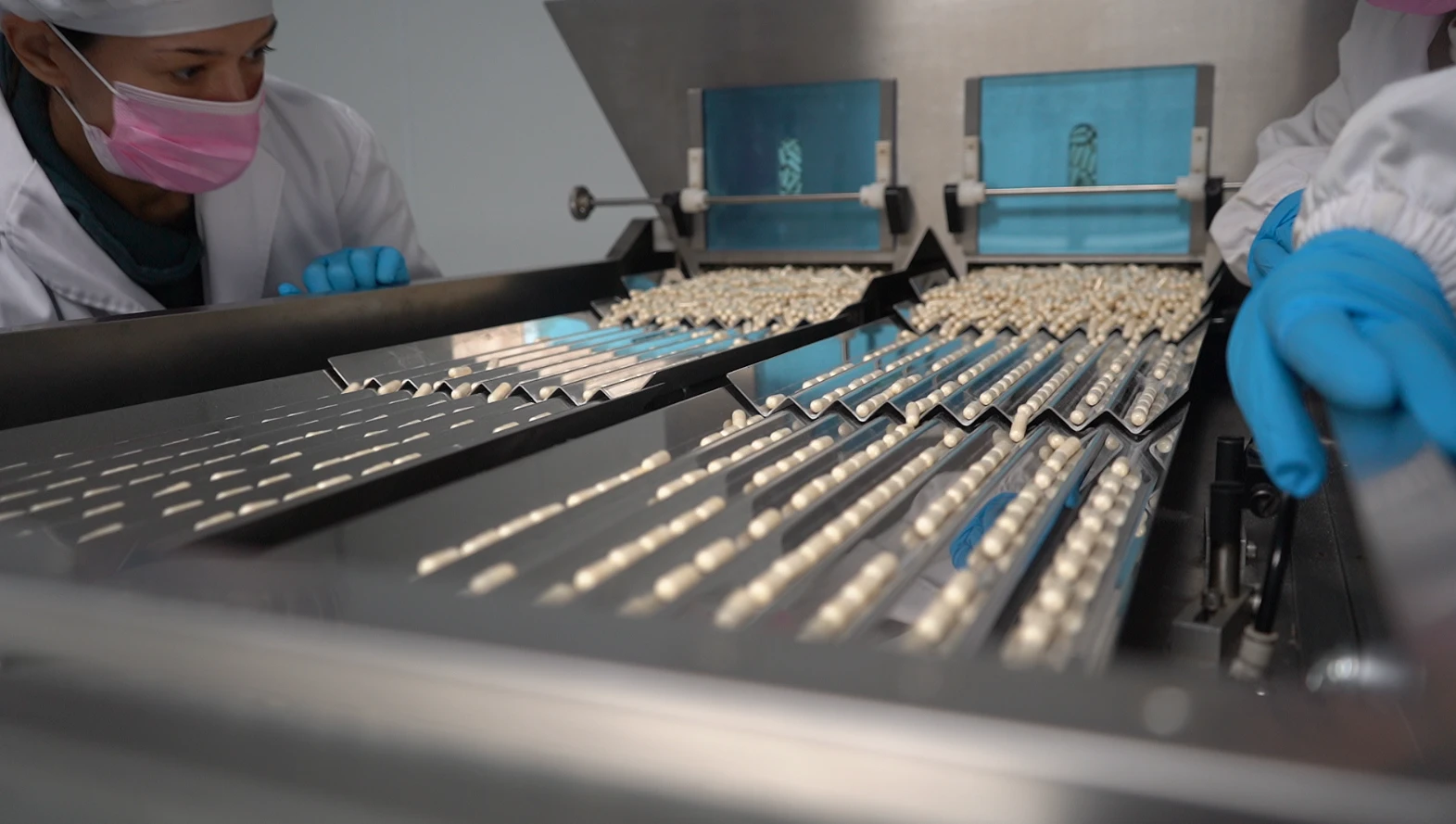
Ekang Nutra is a California-based, FDA-registered, cGMP-certified (independently certified by Eurofins Healthcare Assurance, accredited by ANAB under ISO/IEC 17065) dietary supplement manufacturer, with herbal and botanical products registered as one of our core FDA facility categories. We formulate herbal supplements in hard capsules and powders — with full raw material identity testing on every incoming lot — for brand owners building private label or custom botanical lines.
Ready to formulate your herbal supplement line? Contact our team for a free consultation and sample formulation options.