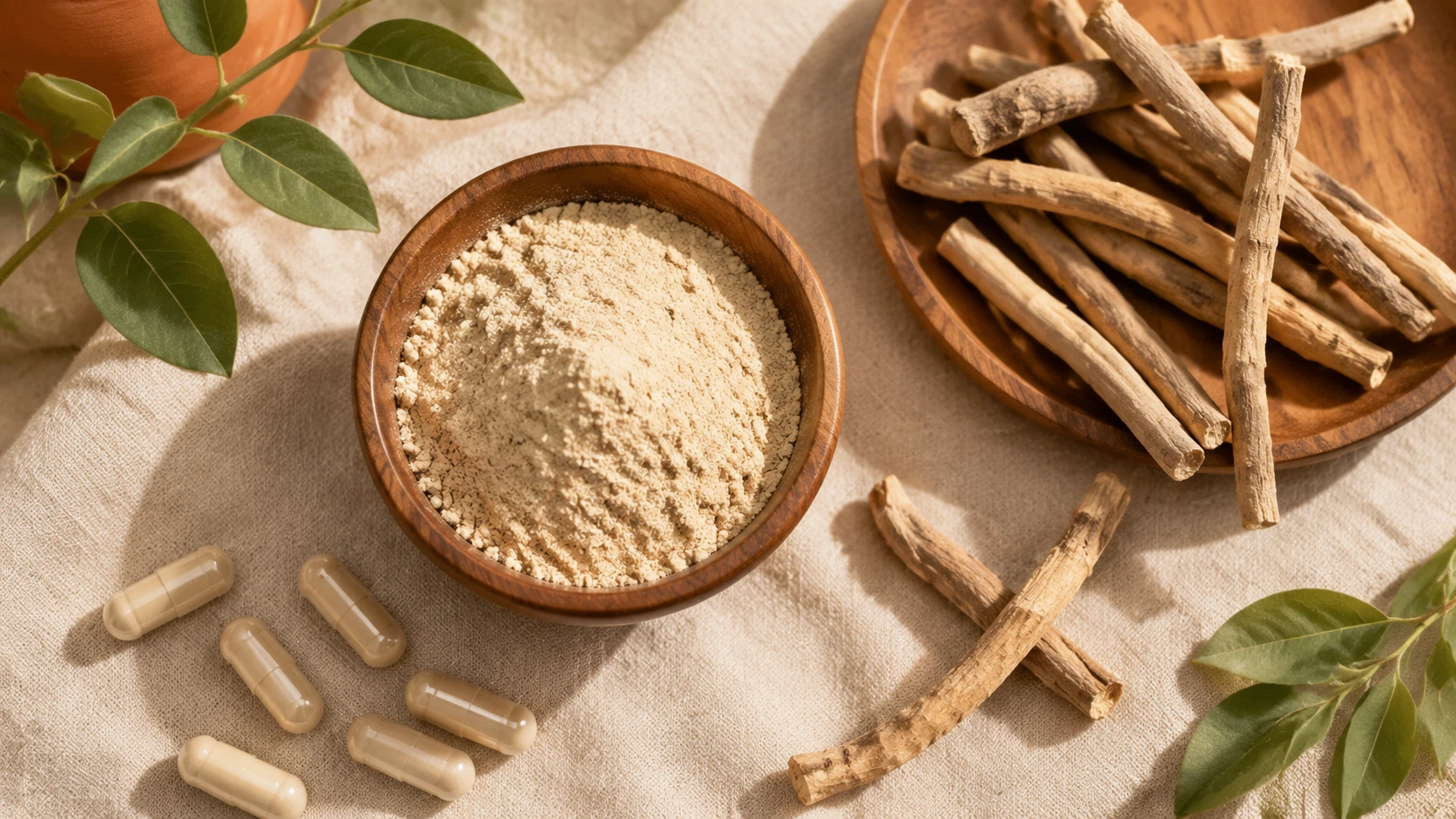
Ashwagandha has quietly become one of the most consistently requested single-herb formulas in the U.S. supplement industry. Global market research puts the ashwagandha supplements market at roughly $721.5 million in 2024, projected to grow at an 8.8% CAGR through 2033 — with capsules already the leading format, holding about 47% of the market. North America alone accounts for over a third of global revenue.
Why Ashwagandha Keeps Growing
Ashwagandha’s appeal comes from its adaptogen positioning — marketed for stress response, cortisol regulation, and sleep support, at a moment when consumer interest in natural alternatives to prescription anxiety and sleep aids continues to climb. It’s also expanded well beyond its original wellness-and-stress audience into sports nutrition, where formulators use it for exercise-related cortisol management and recovery support.
That crossover — stress relief plus fitness recovery — is a big part of why ashwagandha has more staying power than a typical wellness-trend ingredient. It isn’t tied to one narrow use case.
What to Get Right When Formulating Ashwagandha
Standardized extract matters more than the raw herb. Most credible ashwagandha products are formulated to a standardized withanolide percentage rather than using generic root powder — this is what separates a serious formulation from a bag-of-dried-root product. Brands should know exactly what withanolide concentration their manufacturer is formulating to, and expect that to stay consistent from batch to batch.
Identity testing is non-negotiable. Ashwagandha root is a botanical raw material, which means it carries the same adulteration and misidentification risks common across the herbal category — a manufacturer should be testing every incoming lot to confirm the material actually is ashwagandha root, at the stated concentration, before it goes into production.
Dosage format. Capsules remain the dominant and most dosing-consistent format for ashwagandha. Powder is also common, particularly for brands building a stress-support blend alongside other adaptogens or minerals like magnesium.
Private Label vs. Custom Ashwagandha Formulation
For a single-ingredient ashwagandha capsule, private label is usually the fastest and most cost-effective way to market — the format is well established, and differentiation tends to come from branding, dosage strength, and sourcing transparency rather than a proprietary blend.
Custom formulation becomes more relevant for combination products — ashwagandha paired with magnesium glycinate for a sleep-and-stress stack, or with L-theanine for a daytime calm-focus product. These combination formulas are where a brand’s specific ratio and ingredient sourcing actually become the differentiator.
Formulating Ashwagandha With a Verified Partner
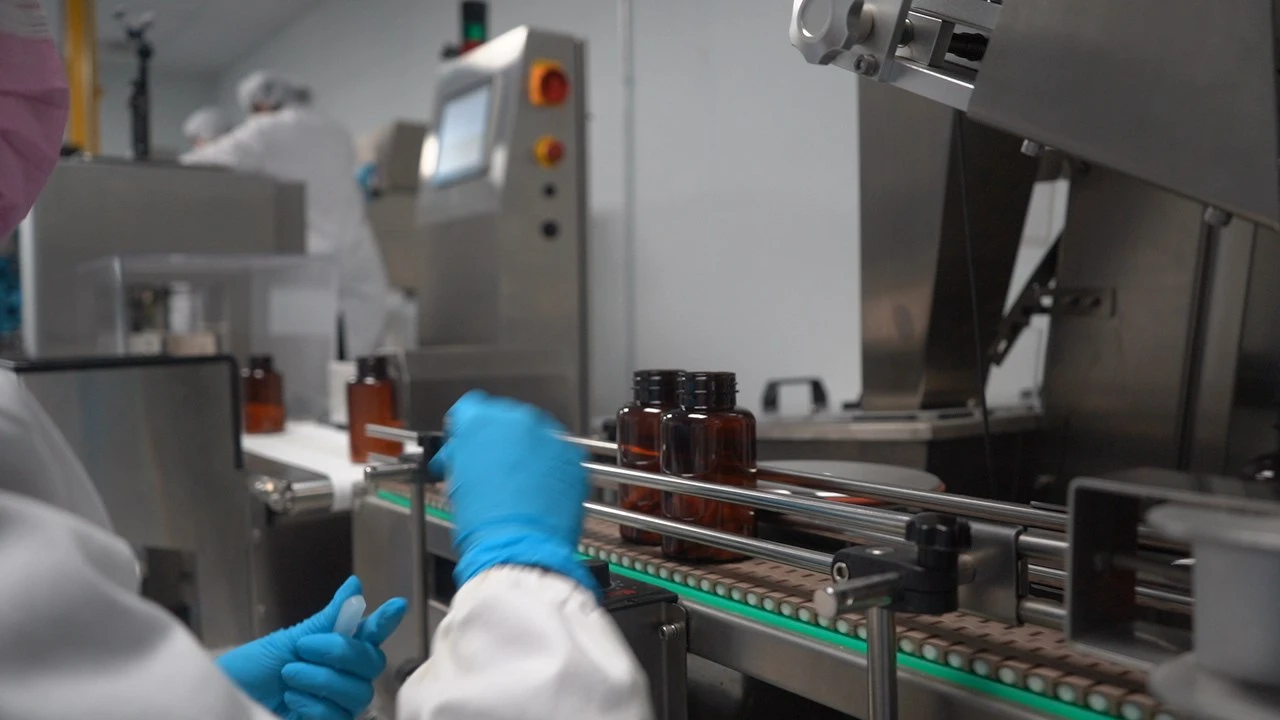
Ekang Nutra is a California-based, FDA-registered, cGMP-certified (independently certified by Eurofins Healthcare Assurance, accredited by ANAB under ISO/IEC 17065) dietary supplement manufacturer, with herbal and botanical products registered as one of our core FDA facility categories. We manufacture ashwagandha in hard capsules and powders, with full raw material identity testing on every incoming lot.
Ready to formulate your ashwagandha product? Contact our team for a free consultation.
Part of our Herbal Supplement Manufacturers series.