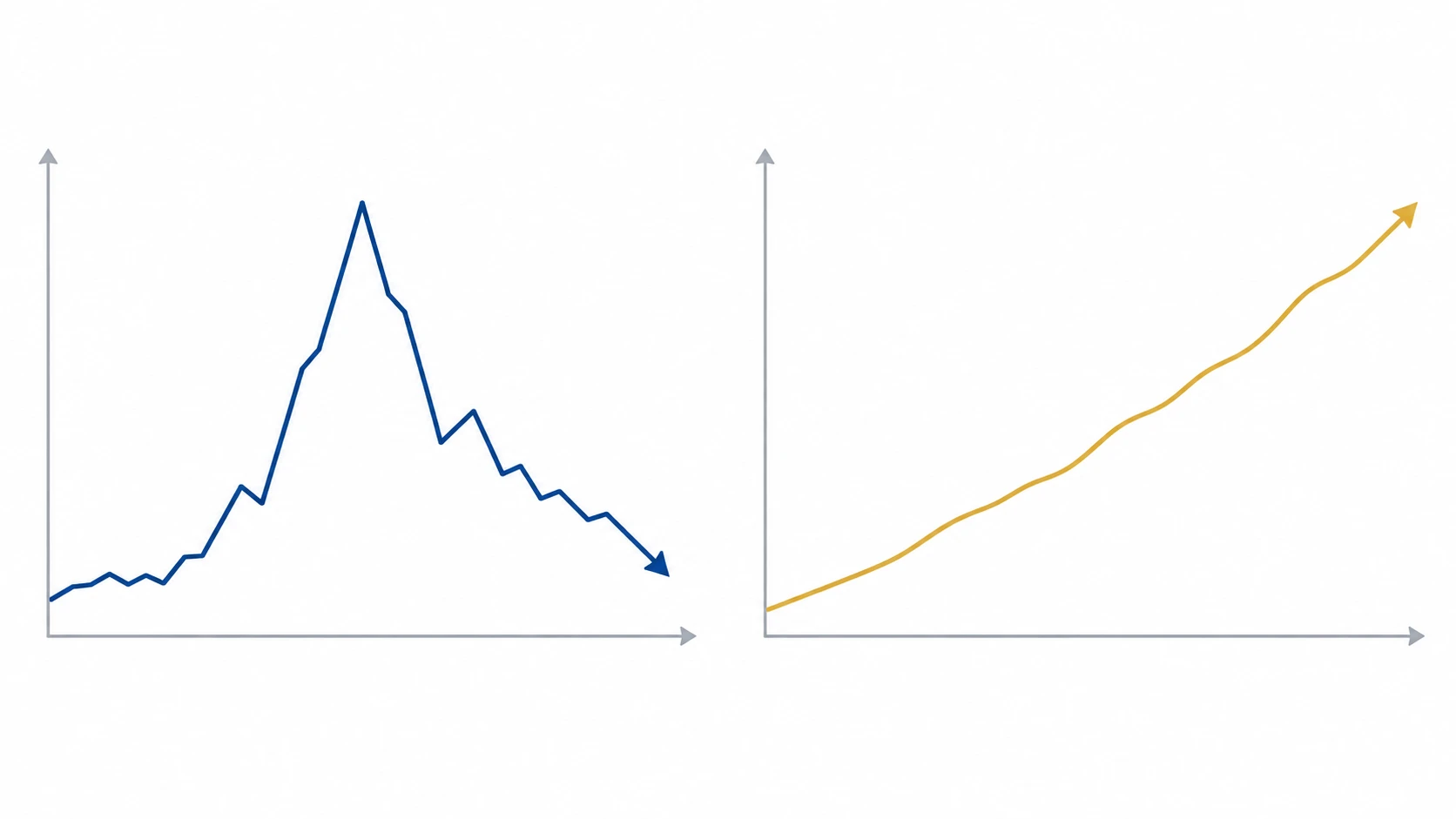
A celebrity name on a supplement label can drive real sales in the first few months. It can fade just as quickly. Commentary comparing GHOST, which built a digital following before pursuing major retail, with Lionel Messi’s Más beverage line illustrates the difference. Consumers often see a celebrity launch as hollow when the celebrity has done little beyond licensing a name. The launch may win retail placement, but it may not create the repeat purchases a brand needs to last.
Celebrity partnerships are not inherently a bad idea. They can work when they are well executed. The problem is a familiar failure pattern: making a famous face the center of a launch without giving customers a reason to come back.
Consumer skepticism is real and measurable
Consumers have become more skeptical of celebrity endorsements used as a standalone strategy. Consumer-brand research has put the share of people who believe celebrity deals lack genuine credibility at more than 80%. That reaction reflects years of hollow-looking partnerships in beauty, beverage, and supplement categories, where a celebrity appeared on the packaging but showed little evidence of product involvement.
Analyses of failed celebrity brands in beauty and wellness tend to point to the same issues. The product does not live up to the promotion, the partnership does not suit the celebrity’s public image, or the celebrity’s audience is not the product’s target customer. Any of those problems can hurt a launch. Many failed celebrity brands have several at once.

What builds loyalty instead
The research on the other side is just as useful. Recent consumer research found that 87% of shoppers would pay more for a brand they trust than for one they only recognize. Recognition gets a product noticed, but trust can drive the second and third purchase. A separate, widely cited study found stronger customer retention among brands committed to transparency. Consumers rewarded openness, including being candid about a brand’s limitations, with continued loyalty.
For supplement brands, this matters because retaining an existing customer costs substantially less than acquiring a new one. Industry research also suggests that about half of supplement buyers switch brands at least occasionally. The other half, the genuinely loyal segment, is especially valuable. A brand that pursues a celebrity-driven surge in new customers without a plan to turn them into repeat buyers is putting its effort into the costlier and less durable part of the equation.
The operational lesson behind the marketing lesson
The research points to a practical issue beyond marketing. Brands that chase placement at large national retailers before their operations can support it can fail even when the campaign performs well. A more durable approach is to build a loyal following, then expand production and distribution to match it.
That is why a manufacturing partner can affect loyalty, not just production. A manufacturer that supports only small pilot runs or only large committed volumes, with no workable path between them, can push a brand toward scaling too early. A partner that can start small, maintain consistency, and scale without requiring a mid-growth supplier change helps brands avoid one common operational problem.
Consistency has a direct effect on trust. A brand may earn the confidence of early customers, then lose it quickly if quality varies from batch to batch as volume grows. Rigorous raw-material testing and documented production standards are intended to prevent that.
Why trust is especially fragile in supplements
These loyalty dynamics apply across consumer products, but supplements add another layer of risk. Customers consume the product, yet they generally cannot verify whether a capsule contains what the label states. Trust therefore depends heavily on factors customers cannot see directly: batch consistency, accurate labeling, and whether the raw materials match the label claims.
A single bad batch, an inaccurate label, or a widely shared report that a product did not test as advertised can damage a supplement brand more than a similar quality issue might damage an apparel or home-goods brand. Visible quality signals, such as third-party certifications, transparent sourcing, and accurate Certificates of Analysis, give customers concrete reasons to trust a brand beyond its marketing copy.
Private label or custom formulation: which builds loyalty faster?
This question connects to an early decision for many brands. A proven private-label formula lets a brand build its first loyal customer base through branding, positioning, and customer experience without adding the risk of an unproven custom formula. Once that base exists, a custom formulation for a signature product can be a lower-risk next move. The brand already has a relationship with customers instead of betting everything on a new product from day one. Our private label vs. white label vs. custom formulation guide covers the decision in more detail.
Building a brand that lasts
Ekang Nutra is a California-based dietary-supplement manufacturer operating an FDA-registered facility. Its cGMP certification is independently issued by Eurofins Healthcare Assurance, which ANAB accredits under ISO/IEC 17065. We support brands at different stages, from small-batch runs for brands validating an early customer base to scalable production for larger retail or e-commerce volume. The quality standards remain consistent at every scale.
If you are planning a sustainable production path for your brand, contact our team to discuss the stage you are in.
Frequently asked questions
Should we avoid celebrity or influencer partnerships altogether?
Not necessarily. The research points to a specific failure pattern: a name licensed with little real involvement. Partnerships in which the person contributes to the product, formulation direction, or ongoing brand story can perform very differently from a pure licensing deal.
How do we build brand loyalty without a large marketing budget?
The research above suggests that budget is not the main lever. Consistency and transparency matter more. A smaller brand that reliably delivers what it promises, communicates honestly, and builds a relationship with its first customers can outperform a better-funded brand that prioritizes reach over retention.
Which supplement-specific trust signals matter most to customers?
The most useful signals are visible and verifiable: accurate labeling, third-party certifications, transparent sourcing, and a willingness to share testing documentation instead of merely claiming quality in marketing copy.
Should we start with private label or custom formulation to build our brand?
For most new brands, private label is the lower-risk starting point. It lets a brand focus on customer relationships and brand identity before it also takes on the risk of an unproven custom formula. See the guide linked above for a fuller discussion of that choice.
How do we know when we’re ready to scale into major retail?
Repeat-purchase behavior is a useful signal. If a meaningful share of existing customers reorder without new marketing spend bringing them back, the brand may be more ready to scale than one relying on initial sales volume alone. Initial sales can come from a short-lived spike rather than real loyalty.