White label products give a supplement brand a faster route to market than developing every formula from the ground up. The product still has to fit the brand, the intended customer, the packaging, and the manufacturing plan. A familiar formula is not automatically the right first SKU.

For a white label vitamin manufacturer, the useful question is not simply which ingredient is popular. It is whether the formula has a clear place in the brand’s catalog, works in an available format, and can be specified accurately on the label.
The five formula types below are a practical starting point. Vitamin D3, multivitamins, and magnesium belong naturally in a vitamin and mineral line. Probiotics and creatine are adjacent categories that some brands add once they have a clearer audience and channel strategy.
Start with the right white label model
In a white label program, the manufacturer offers an existing formula that the customer can sell under its own brand. This is different from starting a fully custom formula. The available level of customization varies by manufacturer, so clarify the formula, dosage, delivery format, packaging, MOQ, and production timeline before treating a formula as launch-ready.
For brands that need a new ingredient combination or a different dosage format, a custom formulation project may be a better fit. Ekang Nutra explains the distinction between white label, private label, and custom projects on its private label supplement manufacturing page.
1. Vitamin D3 and D3 + K2
Vitamin D is a fat-soluble vitamin available in dietary supplements. The NIH Office of Dietary Supplements provides an evidence-based overview of vitamin D, including recommended intakes, sources, and safety considerations.
For a white label line, the choice is usually between a plain Vitamin D3 product and a D3 + K2 combination. Plain D3 is easier to explain and position. A combination formula gives a brand another label story, but it also creates more decisions around the formula, serving size, claims, and target customer.
Softgels are a common delivery format for fat-soluble ingredients. D3 and D3 + K2 can also be formulated in hard capsules when the selected formula and carrier are appropriate. Confirm the available production model for the chosen format before artwork or launch planning begins.
Questions to resolve before quoting:
- Is the formula an existing stock option or a custom project?
- What is the active form and amount per serving?
- Is the chosen format manufactured at the facility handling the project?
- What bottle, closure, and label size does the product require?
2. Magnesium glycinate
Magnesium is a mineral rather than a vitamin, but it is often sold alongside vitamin products. The NIH Office of Dietary Supplements describes magnesium as a nutrient involved in many body processes and notes that it is available in dietary supplements.
Magnesium glycinate is a useful option when a brand wants a magnesium product with a specific ingredient form stated clearly on the front label. The formula brief should identify the magnesium source, the amount of elemental magnesium per serving, the capsule count or powder serving size, and the intended label language. Those choices affect cost, fill weight, packaging, and customer expectations.
Ekang’s current site lists capsule and powder manufacturing among its California facility capabilities. For a magnesium project, confirm the formula, delivery format, and testing requirements during the quotation process. For more context on the category, see our magnesium supplement trends article.
3. Audience-specific multivitamins
A daily multivitamin is a broad category, so the formula needs a clear audience. A brand may choose a general adult formula, or build its positioning around a defined customer group such as men, women, or adults over 50. The label, serving size, dosage format, and packaging should all support that choice.
Multivitamins also require practical formulation work. A broad nutrient panel can create capsule-size, tablet-size, taste, and serving-count constraints. Before selecting a white label formula, ask for the Supplement Facts panel, daily serving size, available packaging, and the documentation included with the product.
Capsules and tablets are common options for a multivitamin. The better choice depends on the formula’s fill weight, the number of units per serving, and the customer experience the brand wants to offer.
4. Probiotics
Probiotics are not vitamins, but they are a common adjacent category for brands that sell wellness products. They need more product-specific review than a simple vitamin or mineral formula. The formula should state the organism at the appropriate taxonomic level, the intended CFU information, storage requirements, and the point in the product life when CFU is measured.
The NIH Office of Dietary Supplements probiotic fact sheet notes that probiotic products can list CFU information and that the number of viable microorganisms can decline during shelf life. That makes packaging, storage, and label wording part of the manufacturing decision, not an afterthought.
Capsules and powders are common formats. Ask the manufacturer how the selected formula will be packaged, what storage conditions apply, and what information will appear on the finished label.
5. Creatine
Creatine is also outside the vitamin category, but it can make sense as a related product for a brand serving sports nutrition or active-lifestyle customers. The NIH Office of Dietary Supplements describes creatine as one of the most studied sports-performance supplements and notes that creatine monohydrate is the most widely used form.
Creatine is commonly sold as a powder because the daily serving can be substantial. Capsules are another option, but the customer may need to take several capsules to reach the intended serving. The choice should be made with the formula amount, serving experience, packaging, and price point in mind.
For a closer look at brand positioning and format choices, see our creatine supplement article.
Quick formula comparison
| Formula type | When it may fit a catalog | Format question to resolve | Check before launch |
|---|---|---|---|
| Vitamin D3 or D3 + K2 | A focused vitamin product or a simple first SKU | Hard capsule or softgel | Active form, amount per serving, packaging |
| Magnesium glycinate | A vitamin and mineral line with a clearly named magnesium source | Capsule or powder | Elemental magnesium, serving size, label wording |
| Multivitamin | A brand with a defined target customer | Capsule or tablet | Nutrient panel, unit count, finished product size |
| Probiotic | A wellness catalog that needs an adjacent product category | Capsule or powder | Strain information, CFU statement, storage |
| Creatine | A sports nutrition or active-lifestyle line | Powder or capsules | Daily serving, customer experience, price point |
What to check before choosing a formula
An existing formula can shorten product development, but it does not remove the need for due diligence. Ask for clear answers to these questions before committing to a label or packaging order:
- Which facility will manufacture, package, and label the finished product?
- Is the formula available in the required format and packaging?
- What are the MOQ, lead time, and sample process?
- Which quality documents and test results are included with the project?
- Who reviews the final label and how are regulatory responsibilities assigned?
For U.S. dietary supplement manufacturing, cGMP requirements under 21 CFR Part 111 cover manufacturing, packaging, labeling, and holding operations. FDA registration does not mean that FDA has approved a dietary supplement or its label. The FDA’s explanation of what it does and does not approve is a useful reference when reviewing supplier claims.
Discuss your white label vitamin project with Ekang Nutra
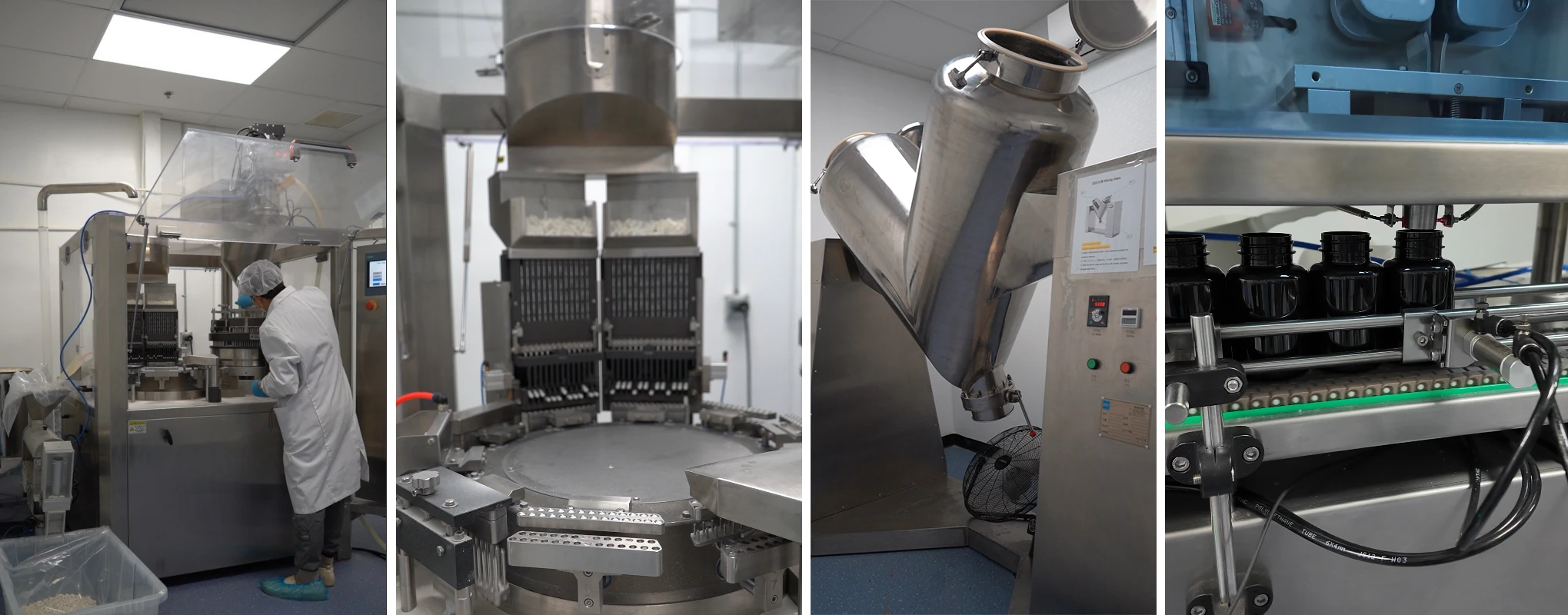
Ekang Nutra’s California facility is FDA-registered and holds independent cGMP certification from Eurofins Healthcare Assurance. Its certifications page identifies capsule, powder, and tablet operations as the scope of its facility-specific statement. Confirm the current formula availability, manufacturing format, packaging, testing, MOQ, and project timeline with the team before making a launch decision.
To review available white label formula options, contact Ekang Nutra with your target product format, estimated order quantity, packaging preference, target market, and desired launch date.
Frequently asked questions
What is the difference between white label and custom formulation?
White label uses an existing formula that can be sold under your brand. A custom formulation starts with your product brief and may involve different ingredients, dosages, formats, or packaging. Ask the manufacturer which parts of an existing formula can be changed before you choose a launch path.
Can I customize a white label vitamin formula?
It depends on the formula and the manufacturing plan. Some projects allow changes to packaging and label design only. Changes to the ingredient list, dosage, serving size, or delivery format may require a custom formulation review. Confirm the available options before approving artwork.
What information do I need to request a quote?
Start with the product type, target market, preferred format, estimated first order quantity, packaging preference, and desired launch date. If you have a reference product, formula brief, or draft label, include it with the inquiry.
What determines the MOQ for a white label vitamin project?
MOQ depends on the formula, delivery format, packaging components, testing requirements, and production setup. A manufacturer should confirm the MOQ for the selected product rather than giving one number for every vitamin formula.
How long does a white label project take?
The timeline depends on formula availability, packaging, label approval, materials, testing, and the production schedule. Ask for a project-specific timeline after the product and packaging requirements are defined.
Which formats are manufactured at Ekang Nutra’s California facility?
Ekang Nutra’s facility-specific certification statement identifies capsule, powder, and tablet operations. Confirm the current scope, formula availability, and production model for every project, especially when considering another delivery format.
Does an FDA-registered facility mean the product is FDA-approved?
No. FDA registration does not mean FDA has approved a dietary supplement or its label. Brands and manufacturers still need to meet applicable manufacturing and labeling requirements.