The U.S. dietary supplement industry is closing in on a milestone few would have predicted a decade ago: a $100 billion market. Here’s what’s actually driving that growth in 2026 — and where the real opportunities sit for brands and manufacturers.
The Countdown to $100 Billion
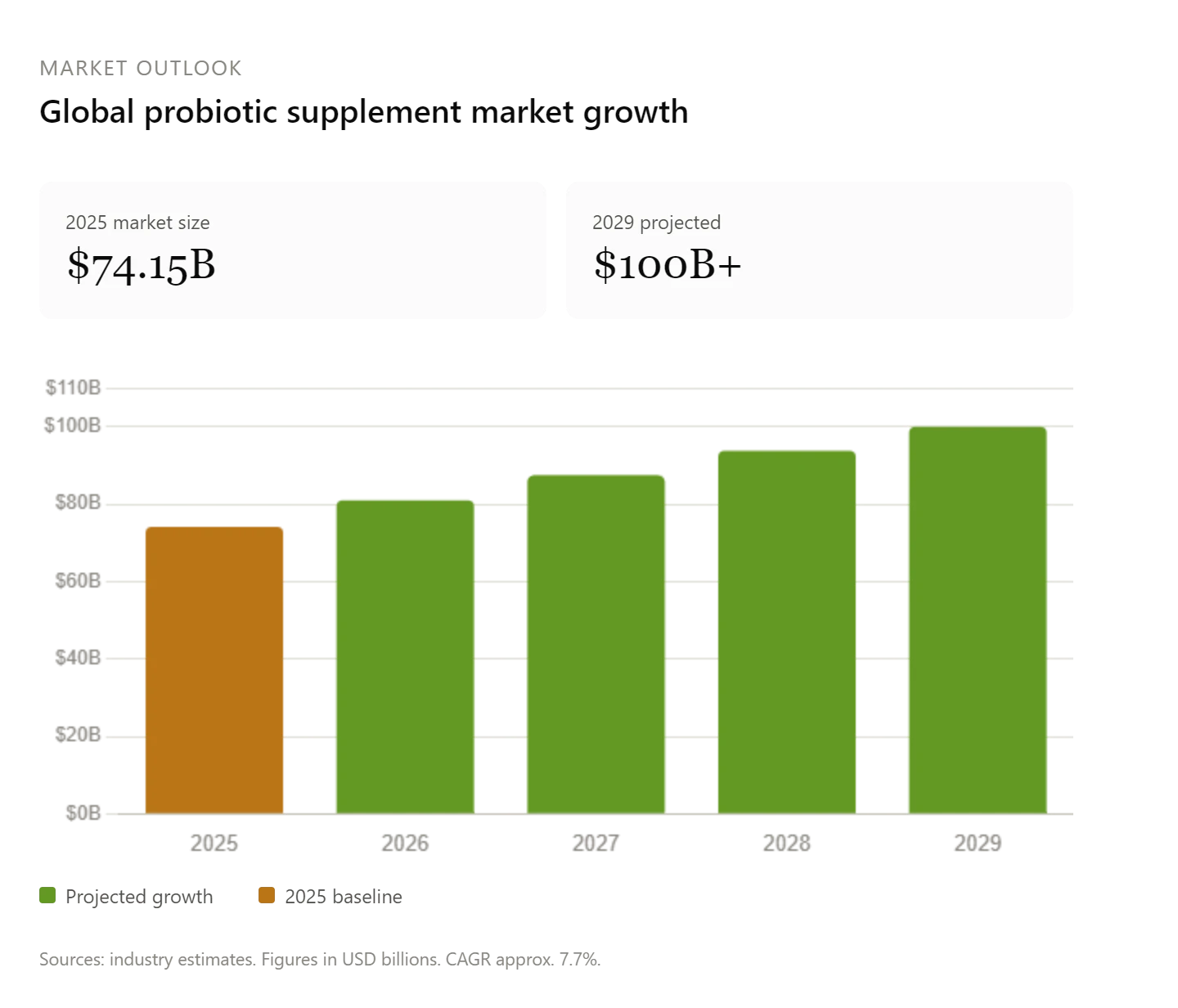
According to Nutrition Business Journal’s 2026 Supplement Business Report, the U.S. supplement market reached 74.15billionin2025,growing7.1100 billion mark by 2029. That growth isn’t evenly distributed — it’s concentrated in specific categories and channels.
E-commerce, and social commerce in particular, is one of the clearest structural drivers. TikTok Shop and similar platforms have fundamentally changed how consumers discover and purchase supplements, shifting spend away from traditional retail discovery toward creator- and algorithm-driven purchasing.
Specialty Ingredients: The Growth Engine
Across nearly every major 2026 industry report, one theme repeats: specialty ingredients are outgrowing the broader market. Multiple analyses put specialty supplement sales growth at approximately 6.3%, with collagen, fiber, and pre-/pro-/synbiotics named as the leading drivers — a segment projected to add several billion dollars in incremental value by 2028.
Other category-level gains reported for the 2025-2026 period include:
- Meal replacements: +5.7%
- Herbs and botanicals: +5.4%
- Minerals (led by magnesium): +4.1%
- Vitamins: +2.7%
The pattern is consistent: broad, undifferentiated categories are growing modestly, while ingredients tied to a specific, evidence-backed outcome — gut health, joint support, cognitive function, cellular energy — are growing several times faster.

Format Innovation: The Rise of Gummies, Powders, and Liquids
Delivery format is one of the fastest-evolving parts of the industry. While tablets and capsules remain dominant by volume, industry data shows gummies are the fastest-growing format overall, expanding at roughly an 8.1% CAGR, as younger consumers in particular prioritize taste and convenience over traditional dosing formats.
This shift connects directly to a broader trend: nearly all — 94% — of U.S. adults report having used a supplement in the past year, and among 18-44 year-olds, 63% now take two or three supplements regularly. Daily supplementation is becoming routine and habitual rather than occasional, which raises the bar on taste, format, and ease of use. It’s worth noting that capsules, tablets, and powders still make up the large majority of the market by volume and remain the fastest, lowest-risk way for a brand to launch or expand a line — gummies and liquids are growing quickly off a smaller base, but they also carry higher formulation, shelf-life, and cost complexity.
From “One-Size-Fits-All” to Precision Supplementation
A JAMA Network Open study analyzing more than 63,000 U.S. adults found a clear structural shift away from generic multivitamins toward targeted products — immune support, gut health, skin, joints, and healthy aging. Separately, industry surveys show 76% of Americans now use supplements daily, and 44% report taking more supplements than they did the year before.
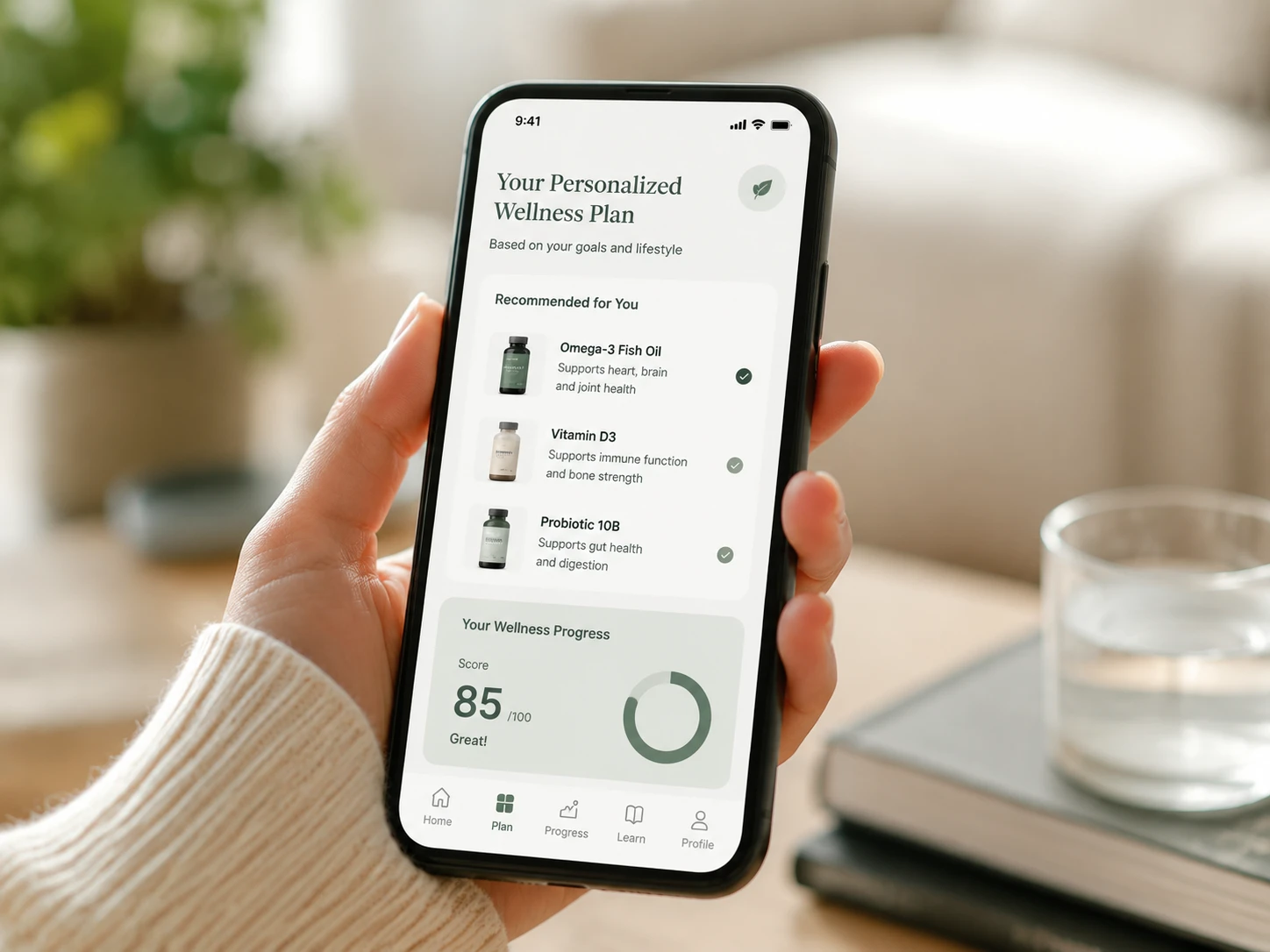
This “precision supplementation” trend is reinforced by AI-driven personalization: over half (52%) of consumers say they’re interested in personalized vitamin regimens built using AI technology, and nearly a third of supplement users already say they’re influenced by products tailored to their specific needs.
What This Means for Brands and OEM Partners
For brand owners and manufacturers evaluating where to invest in 2026, three principles matter more than chasing every individual trend:
- Prioritize specialty over commodity. Ingredients tied to a specific, well-communicated benefit are consistently outgrowing generic multivitamins and basic formulations.
- Invest in format, not just formula. Gummies and liquid formats are capturing headlines, but capsule, tablet, and powder formats remain the backbone of the industry and by far the fastest, most cost-effective way to bring a differentiated formula to market — without the added R&D, sugar, and shelf-life complexity that gummy and liquid production requires.
- Partner with manufacturers who can move fast. With e-commerce and social platforms compressing trend cycles, the ability to launch a well-formulated product quickly — with flexible minimum order quantities and cGMP certification — is now a genuine competitive advantage, not just an operational nicety.