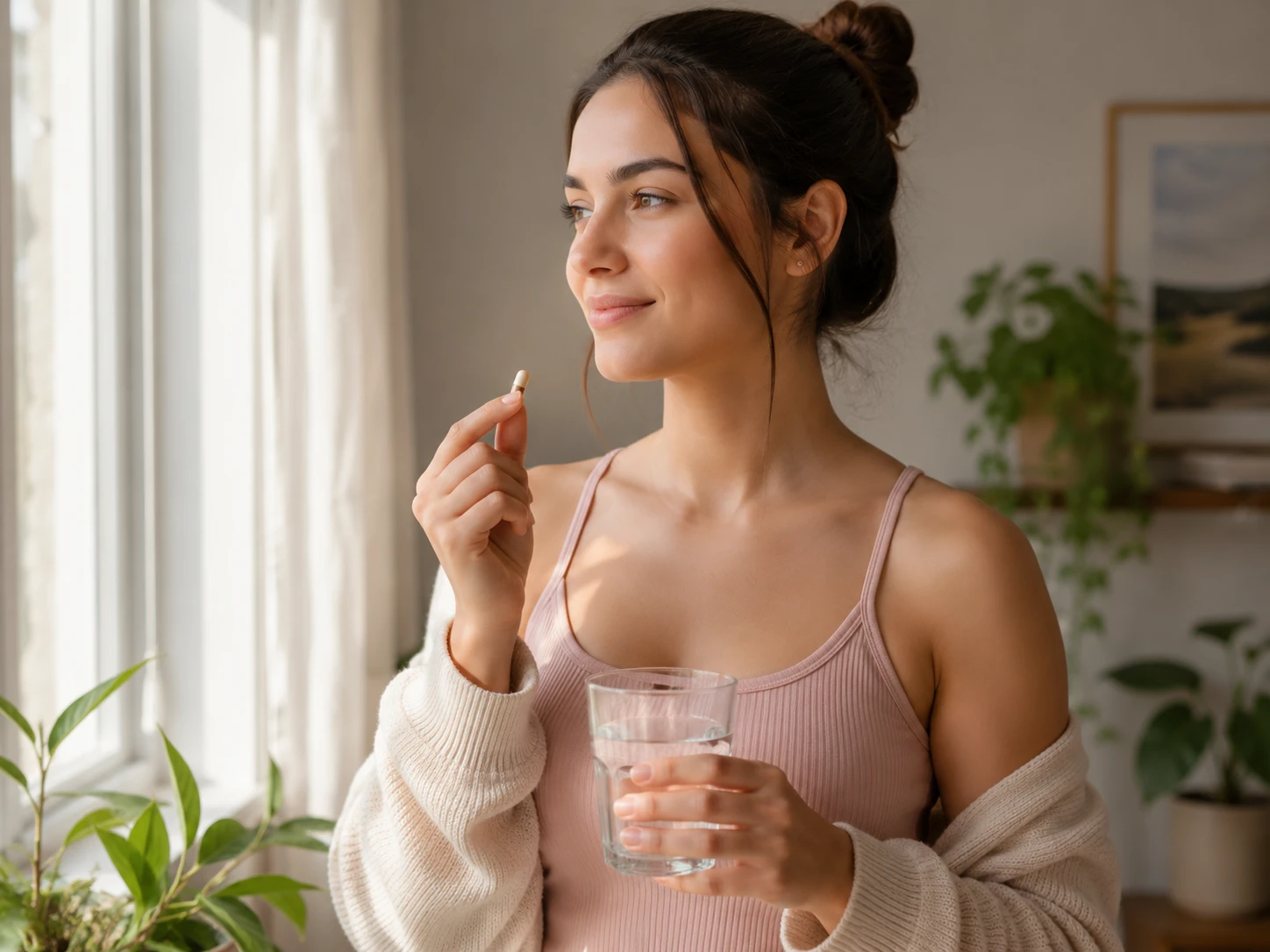
If there’s one consumer segment reshaping the supplement industry’s product roadmap in 2026, it’s young women. Market research consistently identifies them as the fastest-growing buyer group in the category — and their priorities look meaningfully different from the industry’s traditional playbook.
The Fastest-Growing Segment in Supplements
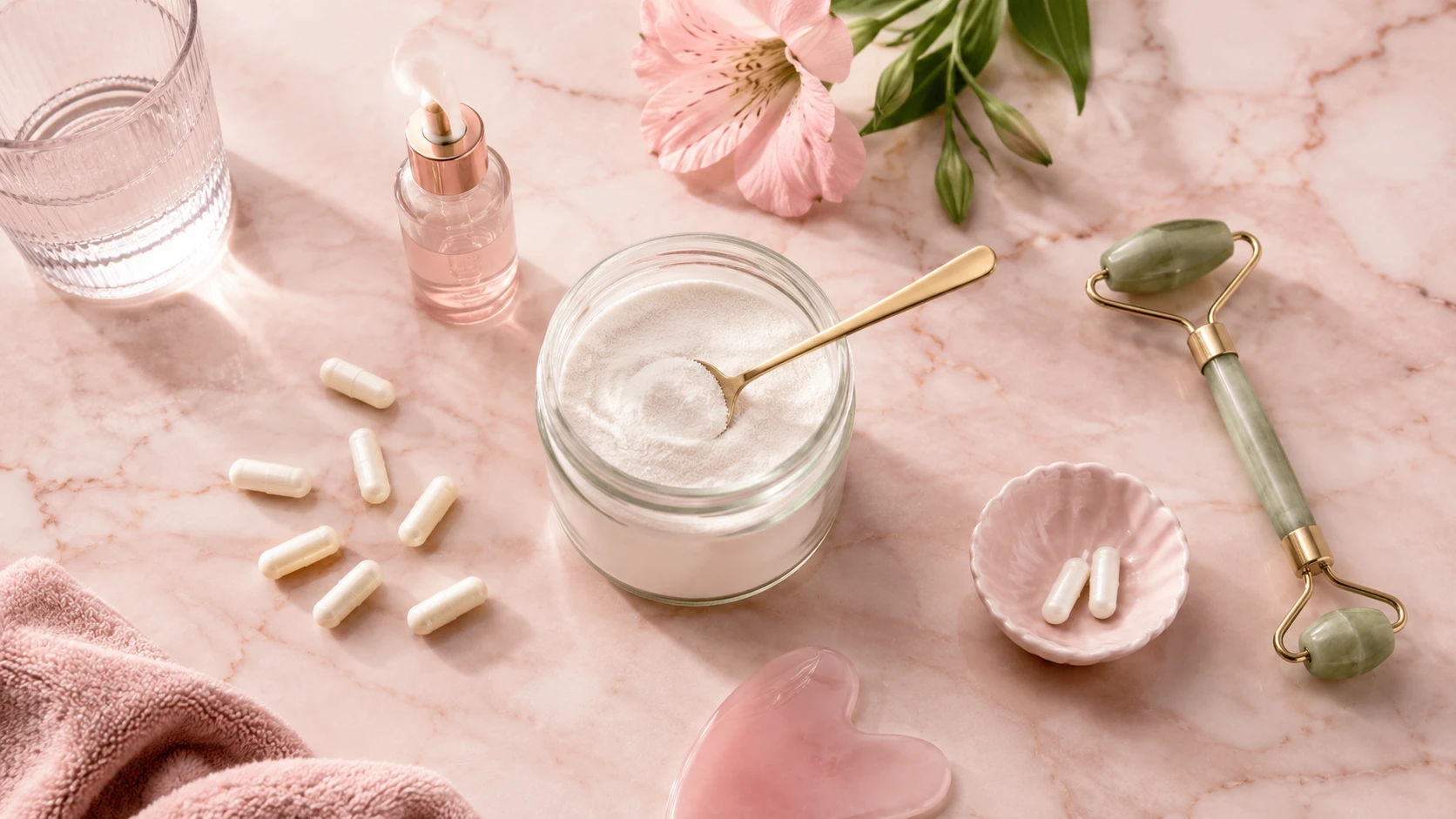
Industry analysis from Mordor Intelligence and other 2026 market reports identifies younger women as the supplement category’s fastest-growing demographic, with demand concentrated in three areas: beauty (hair, skin, and nails), sleep, and mental wellness. This isn’t a small niche — it reflects a broader generational shift in how younger consumers relate to supplementation, treating it as part of daily self-care rather than a reactive health measure.
Search and product-launch data reinforce this. Beauty-from-within has moved, in the words of multiple 2026 trend reports, from “wellness cliché to one of the fastest-growing supplement categories,” as consumers increasingly look to ingest rather than only apply their skin, hair, and nail support.
From Fertility to Menopause: A Full Life-Cycle Opportunity
Perhaps the most significant shift is the emergence of hormone health as a defined, mainstream category rather than a taboo subject. 2026 trend reports specifically flag hormone health — spanning fertility, metabolic health, skin, and longevity — as a key growth area for the year, with new product categories like menopause support, fertility support, and vaginal health formally added to major industry tracking reports for the first time.
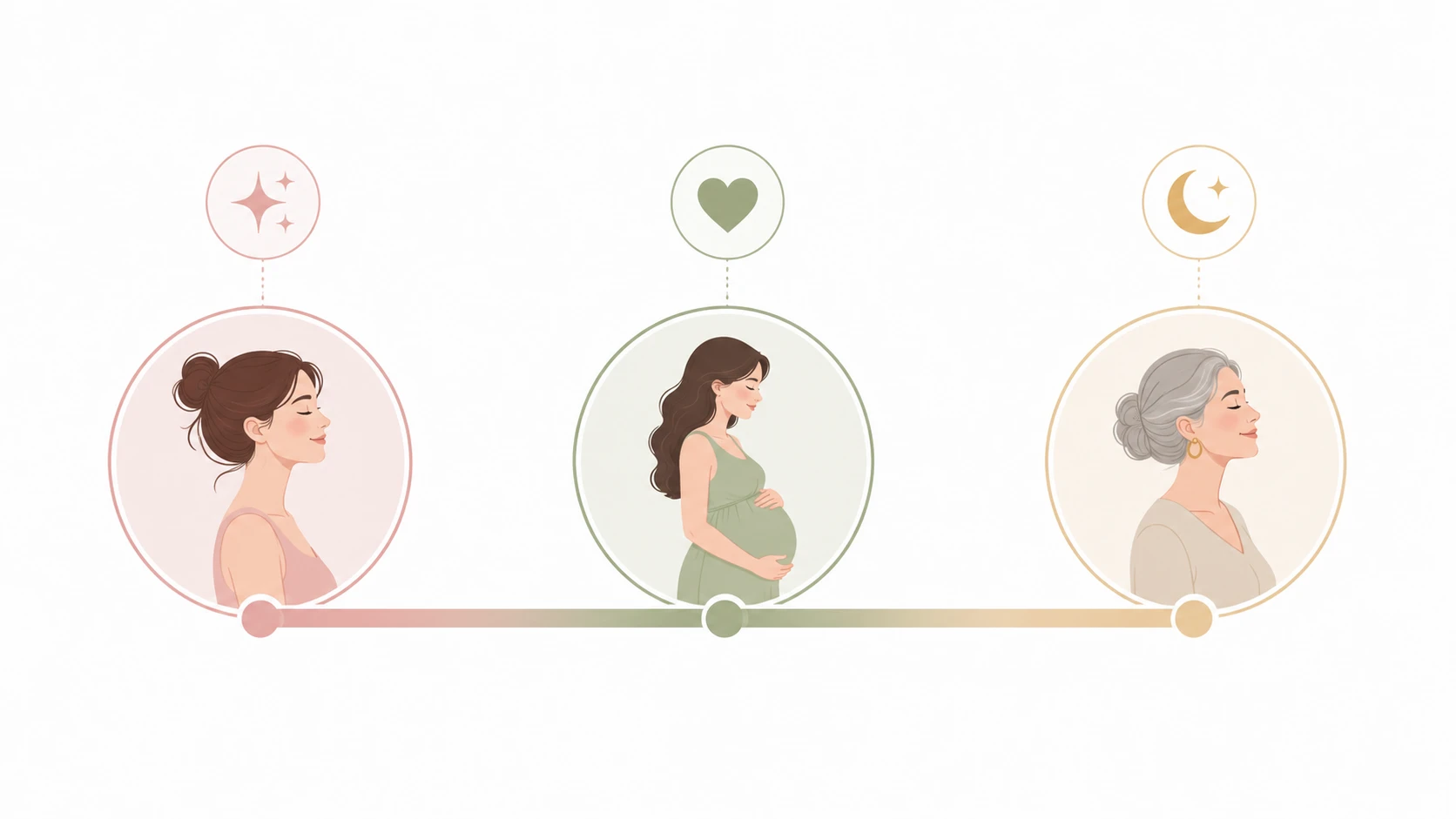
This represents a meaningful shift from the industry’s historical tendency to treat “women’s health” as a single, generic category. In 2026, the opportunity is life-stage specific:
| Life Stage | Primary Needs | Emerging Formats |
| Early adulthood (20s) | Skin/hair/nail beauty, sleep, mood, PMS support | Gummies, beauty powders |
| Fertility & reproductive years | Prenatal nutrition, hormone balance, metabolic health | Capsules, targeted stacks |
| Perimenopause & menopause | Hormone support, bone health, mood, sleep | Capsules, functional beverages |
The GLP-1 Ripple Effect on Women’s Weight Management
The rise of prescription GLP-1 medications has created an unexpected secondary market: natural alternatives and complements. Berberine has become one of the standout ingredients of this trend, frequently discussed as a natural GLP-1-adjacent option, and consumer survey data shows weight-management-related supplement interest growing double digits year-over-year. For women’s health brands, this opens a distinct formulation lane — combining metabolic-support ingredients like berberine with women-specific concerns such as hormonal weight fluctuation, rather than competing head-on in the generic weight-loss supplement category.
Building Credible Formulas: What OEM Partners Need to Get Right
Because women’s health claims sit closer to sensitive, sometimes regulated territory (hormone-related claims in particular), credibility matters more here than in almost any other supplement category. Brands entering this space should prioritize:
- Ingredient transparency and clinical substantiation — branded, clinically studied extracts (comparable to how KSM-66 ashwagandha or Magtein magnesium have built trust in their categories) perform better than generic ingredient listings
- Life-stage-specific formulation — a single “women’s multivitamin” no longer meets the market; fertility, active-adult, and menopause formulas each need distinct ingredient profiles and claims
- Practitioner and expert backing — partnerships or formulation review involving OB-GYNs, registered dietitians, or endocrinology-adjacent experts strengthens credibility in a category where consumer trust is hard-won
- Format and taste — this segment responds strongly to gummies, flavored powders, and beauty-forward packaging over clinical-looking capsules
Common formulation building blocks for this category include ashwagandha (stress and hormone support), magnesium (sleep and mood), vitamin D (bone and immune health), and targeted probiotic strains (vaginal and gut health) — often combined into life-stage-specific stacks rather than sold as single ingredients.

Are you now planning to develop a line of products for women’s health? We support formulation research that covers the entire lifecycle, and our production processes adhere to cGMP production standards. Contact us for a quote.